Connecticut Woman Sentenced to Prison for Fraudulently Obtaining Citizenship After Committing Torture and War Crimes in Bosnia
U.S. Citizenship and Immigration Services played a key role in the investigation that led to the sentencing of Nada Radovan Tomanic, a naturalized U.S. citizen from Bosnia and Herzegovina, to 30 months in prison for naturalization fraud.
She held prisoners down while they were tortured during the Balkan wars of the 1990s. Then she walked into a USCIS office, raised her right hand, and lied straight to a federal officer's face — and for thirteen years, nobody stopped her. The case of Nada Radovan Tomanić is not just a story about naturalization fraud. It's a story about a system that handed an American passport to a war criminal and called it a day.
What Happened: War Crimes, a Sworn Oath, and a Stolen American Passport
Nada Radovan Tomanić, 53, of West Virginia, is a naturalized U.S. citizen originally from Bosnia and Herzegovina. In the 1990s, she served in the "Zulfikar" special unit of the Bosnian Army. According to federal court documents, she personally participated in brutal physical and psychological abuse of Bosnian-Serb civilian prisoners — acts classified as war crimes under international law. These are not allegations made in a vacuum. They are documented facts, corroborated by records from Bosnia and Herzegovina, Serbia, and the United Nations International Residual Mechanism for Criminal Tribunals.
US Citizenship Checklist — Free
Naturalization: from N-400 to the Oath
In 2012, Tomanić applied for U.S. citizenship. On her application, she lied. She denied serving in detention facilities. She denied committing crimes for which she had never been arrested — specifically, causing grievous bodily harm under the Criminal Code of the Socialist Republic of Yugoslavia. Then she sat down for her USCIS interview, placed her hand on the Bible, swore to tell the truth, and lied again. Calmly. Deliberately. Looking the officer right in the eye.
On November 10, 2025, Tomanić pleaded guilty to one count of unlawfully procuring U.S. citizenship — a textbook case of naturalization fraud. She was sentenced to 30 months in federal prison. The investigation was conducted by the FBI, the DHS Human Rights and Special Prosecutions unit, and the USCIS Fraud Detection and National Security division. It took thirteen years from the moment she got that passport for justice to catch up with her.
Who Will Suffer and What They're Not Telling You
Here's the question nobody in Washington wants to answer out loud: how does someone with that kind of history pass a background check? How does a woman who participated in the torture of civilian prisoners waltz through the naturalization process and spend over a decade living quietly in West Virginia as an American citizen? The system didn't catch her. Tips, foreign records, and international tribunal data eventually did.
Think about who gets hurt by this kind of naturalization fraud. First — the survivors. The people who were tortured in those Balkan detention facilities. They spent decades waiting for justice while their tormentors disappeared into comfortable Western lives. Some of those survivors never saw justice at all. Second — the honest immigrants. The people who spend years assembling documents, paying thousands of dollars in legal fees, and sitting through grueling interviews — while someone with blood on their hands breezes through the same line with a forged conscience. Third — every American taxpayer who funds a screening system that apparently missed all of this for thirteen years.
This is not an abstract bureaucratic failure. This is a hole in national security wide enough to drive a war criminal through.
Real Consequences for Immigrants in the USA
Cases like this one do not exist in isolation. Every time a story like Tomanić's breaks, the entire immigration system tightens — and the people who pay the price are not the war criminals. They're already in prison. The people who pay are ordinary applicants with clean records, who suddenly face longer interviews, deeper background checks, and more invasive scrutiny because someone else lied.
If you are currently in the naturalization process — or planning to apply — understand this clearly: federal agencies are actively coordinating with foreign governments, Interpol, and UN tribunals. The FBI, DHS, and USCIS do not work in silos anymore. Any false statement under oath — even about something that seems minor — can result in criminal charges. And the Tomanić case makes one thing brutally clear: when it comes to naturalization fraud connected to war crimes, there is effectively no statute of limitations. Thirteen years is nothing. They will find you.
This case is also a signal to immigrant communities across the country. If you know someone who is hiding a serious criminal past, the federal government is actively collecting that information — from neighbors, from community members, from foreign sources you would never expect. The question is not whether they'll find out. The question is when.
What To Do Right Now
- Review every document you submitted during your immigration process. If there is anything in your history that you did not disclose — anything at all — consult an immigration attorney immediately. Silence right now is far more dangerous than coming forward. Voluntary disclosure is always treated differently than discovery.
- Report what you know. If you have information about someone concealing a criminal or violent past in their immigration applications, contact the FBI at 1-800-CALL-FBI (800-225-5324) or submit a tip online. You can also reach Homeland Security Investigations at 1-866-DHS-2-ICE (866-347-2423), or file a report directly with USCIS through their official fraud reporting form. These agencies are actively working these cases — your information matters.
- Stay informed about USCIS procedure changes. After high-profile naturalization fraud cases, USCIS routinely updates its screening requirements and interview protocols. Applicants who don't know the new rules still get denied — or prosecuted. Subscribe to credible immigration news sources. Ignorance is not a defense in federal court, but staying informed is one you can actually use.
This story is not over. Tomanić's case is one file in a much larger stack. How many people with similar biographies are sitting right now behind clean applications and rehearsed smiles? Nobody knows the full number — but the FBI, DHS, and USCIS are working to find out, one case at a time. The next verdict might involve someone you recognize. Stay close to this story, because the next chapter is coming — and it will not be quiet.
📧 Subscribe to our newsletter for the latest immigration news and breaking case updates: immigrantnews.pro
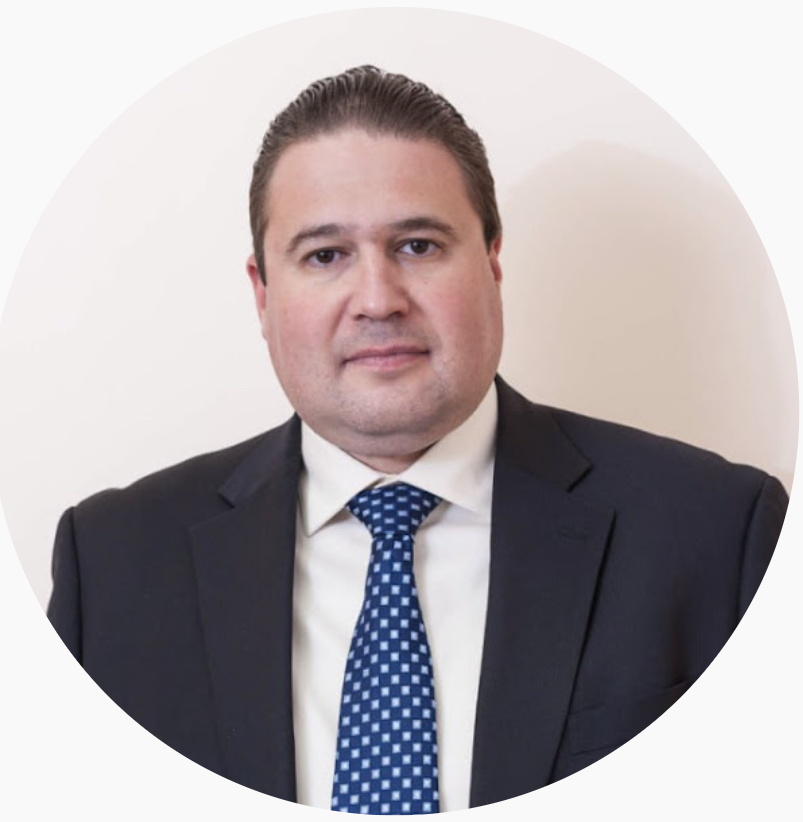
Fishkin Law Firm, New York
These changes are an important step toward modernizing the immigration system. I recommend applicants not delay preparing documents and consult with an attorney before filing. Every case is unique, and the right strategy early on can significantly increase your chances of success.