DHS Report Confirms Metal Cage Use at 'Alligator Alcatraz'
Guards at Florida's "Alligator Alcatraz" immigration jail locked detainees in outdoor metal cages smaller than a phone booth — 79 times over six months — according to a federal watchdog report released September 14, 2026. The Department of Homeland Security's own inspector general said the practice violates humane treatment standards and is unlike anything seen at any other ICE facility. The facility had already closed, but the report is the first official confirmation of abuses that Florida officials had publicly denied.
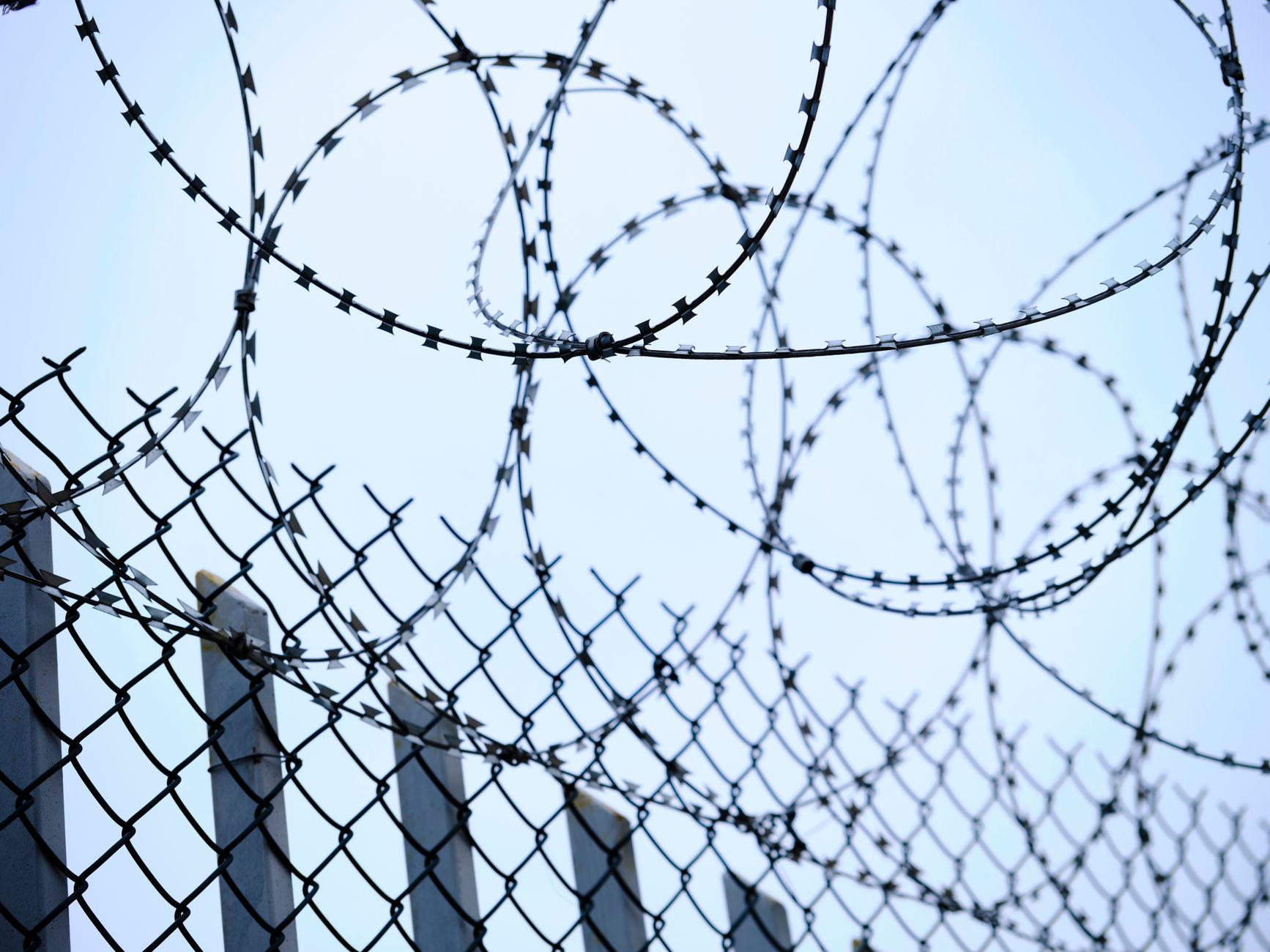
A federal watchdog confirmed that guards at Florida's "Alligator Alcatraz" immigration detention facility locked detainees in outdoor metal cages as small as 18 square feet — less than half the minimum space required by ICE's own rules. The Department of Homeland Security's Office of Inspector General (OIG) published the report on September 14, 2026, calling the practice something that "does not align with standards for humane treatment" and unlike anything OIG inspectors had seen at any other ICE facility.
What the Report Found
DHS inspectors made an unannounced visit to the facility — officially called the Florida Soft-Sided Facility — in January 2026. They reviewed records showing 79 instances between July 2025 and January 2026 in which detainees were placed in the metal cages for up to two hours at a time. Each cage offered roughly 18 square feet of floor space. ICE's own national detention standards require at least 37 square feet for a single-person space. Staff told inspectors the cages were "calming areas" where detainees could "de-escalate and have time alone." But inspectors found at least one documented case where a cage was used as a disciplinary tool — for a detainee who "failed to comply with a lawful command." The cages had locking mechanisms.
Deportation Defense Checklist — Free
Immigrant rights, appeals and protective measures
The report also flagged overcrowding, too little recreation time, broken phones that cut detainees off from lawyers and family, and poor food hygiene. Multiple detainees told inspectors in January 2026 they had limited or no access to clean drinking water. The facility, which cost Florida taxpayers $1.2 million per day to operate, closed in June 2026 after roughly a year of operation. Governor Ron DeSantis's office had previously called reports of the cages "fabrications." After the OIG report's release, a DeSantis spokesperson did not explain why the denials were made and instead described detainees as "violent criminal aliens" — without providing evidence.
Amy Fischer, Amnesty International USA's director for refugee and migrant rights, said in a statement: "The findings confirm what we documented months ago: the horrific treatment of people detained at Alligator Alcatraz was real, not a hoax, as Trump administration officials were on the record saying." Krish O'Mara Vignarajah, president and CEO of immigration advocacy group Global Refuge, added: "There is no euphemism that can sanitize caging human beings. Calling a metal box a 'calming area' is an affront to the English language and to human dignity alike."
What to Do If You or Someone You Know Is in ICE Detention
- Detainees have the right to contact an attorney. If phones are broken or access is blocked, family members can call the ICE detainee locator at 1-888-351-4024 to find where a person is held and then contact a legal aid organization.
- Document everything. If a detainee is placed in a restrictive area, they or a witness should note the date, time, duration, and any reason given — this information can support a complaint or legal challenge.
- File a complaint with the DHS OIG at oig.dhs.gov if you believe detention conditions violate ICE standards. The OIG's January 2026 visit to Alligator Alcatraz was triggered in part by complaints from US senators.
- Contact a nonprofit immigration legal services provider. Organizations like the ACLU, Human Rights Watch, and local legal aid groups have monitored conditions at facilities like this and may be able to help.
Related: our step-by-step guide — “Your Rights During an ICE Encounter”.

Fishkin Law Firm, New York
Detainees in ICE custody retain constitutional protections against cruel and unusual punishment, and ICE's own National Detention Standards set minimum requirements for space, medical care, and attorney access. When a facility violates those standards — as the OIG confirmed here — detainees or their attorneys can file complaints with the DHS OIG, seek emergency injunctive relief in federal court, or raise conditions claims in removal proceedings. If you believe a detained family member's rights are being violated, consult an immigration attorney right away — delays can limit your options.
Frequently Asked Questions
Is Alligator Alcatraz still open?
No. The facility closed in June 2026. Officials cited the risk of holding detainees in tents during hurricane season. Critics also pointed to the $1.2 million daily cost and ongoing lawsuits over environmental damage and detainee treatment.
What are ICE's rules on detention space?
ICE's own national detention standards require at least 37 square feet of floor space per person in a single-person area. The cages at Alligator Alcatraz offered only about 18 square feet — less than half that minimum.
Can a detainee file a complaint about conditions in ICE detention?
Yes. Detainees or their representatives can file complaints with the DHS Office of Inspector General at oig.dhs.gov. They can also contact members of Congress, who have the authority to request OIG investigations, as senators Jon Ossoff and Dick Durbin did in this case.
Does being held in bad conditions affect my immigration case?
Not directly — but documented rights violations can sometimes be raised in immigration court or in federal civil rights lawsuits. An immigration attorney can advise whether conditions at a specific facility are relevant to your removal proceedings or asylum application.