ICE Arrested Him at a Military Base — With a Valid Work Permit
You have a valid work permit, a pending asylum case, and no criminal convictions — and ICE still arrests you, chains your wrists and ankles, and locks you in a detention center for eight days. That is exactly what happened to Assim Alkhawaja, a 53-year-old Saudi-born coffee shop owner in San Diego. His case shows a gap in immigration law that can trap asylum seekers who did everything right.
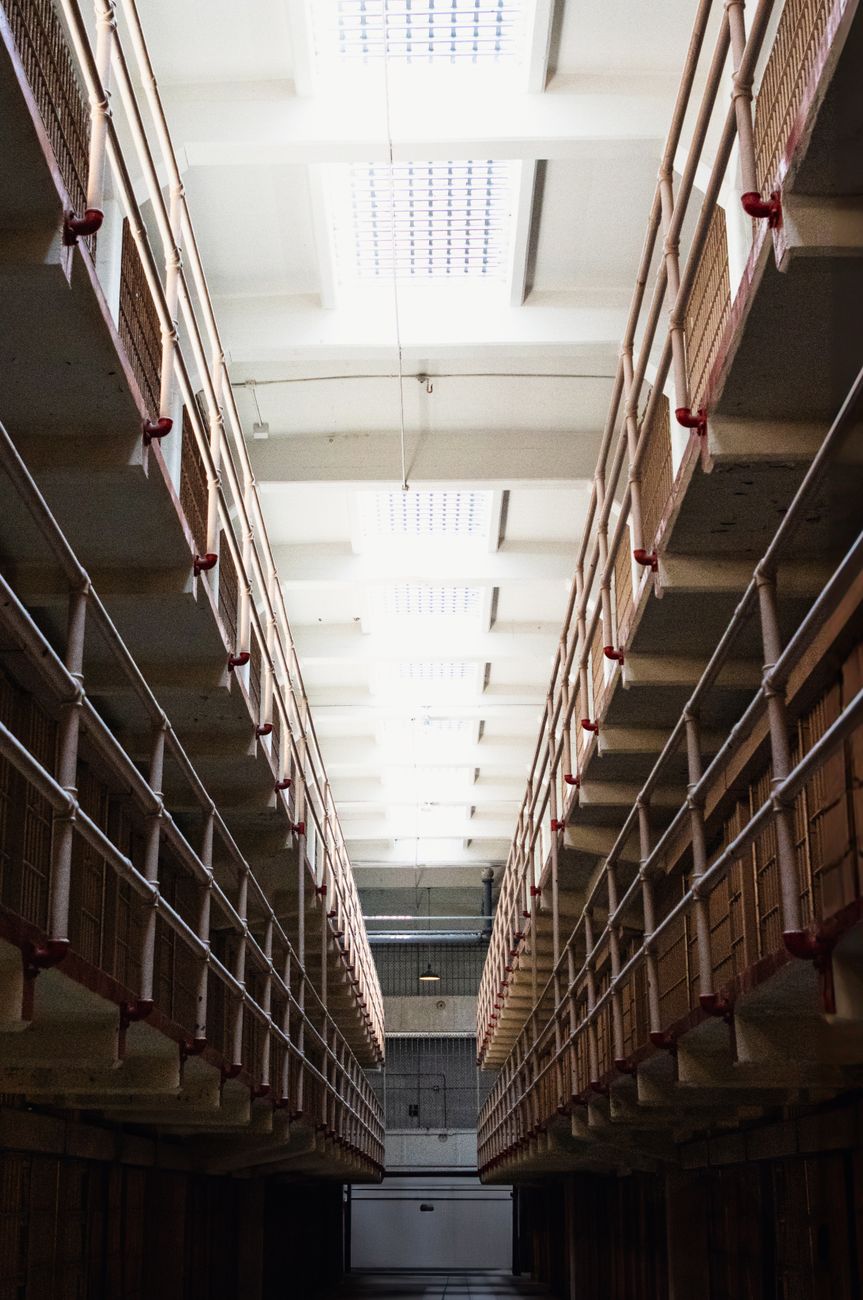
Alkhawaja was dropping off two Lyft passengers at Camp Pendleton, a large military base in San Diego County, when a gate guard scanned his driver's license and called ICE agents. The agents asked whether he had a court date for his asylum case. He said no. They handcuffed his wrists and ankles, connected by a chain around his waist, and drove him to a downtown San Diego office. That night, he was transferred to the Otay Mesa detention center, one of California's largest immigration detention facilities. An agent offered him $3,000 to leave the country immediately. He refused.
A 'Grey Area' That Can Trap Asylum Seekers
Alkhawaja had a work permit valid through February 2030 and an open asylum application he filed in 2024. His attorney, Sydney Johnson of a San Diego immigration law firm, explained the legal trap: asylum seekers can receive a work permit while their case is pending, but that permit does not give them formal legal status in the US. That distinction — between having permission to work and having legal status — is what allowed ICE to place him in removal proceedings. "You can do everything right and you can still get screwed," Johnson said. Camp Pendleton has operated a formal partnership with ICE since at least 2025, focused on identity verification at base entry points. Johnson said Alkhawaja's experience matches what she has heard from other people arrested at the base.
Deportation Defense Checklist — Free
Immigrant rights, appeals and protective measures
After eight days at Otay Mesa, Alkhawaja was released on bond. Now he wears a GPS ankle monitor — the kind typically reserved for high-risk parolees — and must report to immigration officials almost every week, either at the federal courthouse or through home visits. At the courthouse, government signs on the walls urge people without legal status to self-deport: "Leave on your own terms. Claim a free flight and an exit bonus for each member of your family." A Department of Homeland Security spokesperson called Alkhawaja "a criminal illegal alien" and cited a 2002 arrest for disorderly conduct. Johnson confirmed he has no criminal convictions. The 2002 incident, Alkhawaja says, ended with his release at the police station and no charges. ICE has removed more than 16,000 people from the San Diego region between January 2025 and April 2026, and arrests across the country picked up again this summer.
What to Do If You Have a Pending Asylum Case
- Contact an immigration attorney before any ICE check-in or appointment — even if you have a valid work permit (Form I-765 EAD). Your attorney can attend with you or brief you on your rights beforehand.
- Know that you have the right to remain silent during an ICE encounter. You are not required to answer questions about your immigration history without an attorney present.
- If you are detained, ask immediately for a bond hearing before an immigration judge. Your attorney can argue for your release based on your ties to the community and your pending case.
- Keep copies of all your immigration documents — your EAD, asylum receipt notice, and any court correspondence — in a place a trusted person can access if you are detained suddenly.
Related: our step-by-step guide — “Your Rights During an ICE Encounter”.

Fishkin Law Firm, New York
An EAD work permit proves you are authorized to work — it does not confer lawful immigration status, and ICE can still arrest and place you in removal proceedings while your asylum case is pending. If you are detained, request a bond hearing immediately; an immigration judge can order your release if you demonstrate community ties and no flight risk. Anyone in removal proceedings should retain counsel before their next ICE check-in, because what you say at those appointments can be used against you in court.
Frequently Asked Questions
Can ICE arrest me if I have a valid work permit and a pending asylum case?
Yes. A work permit (EAD) gives you the right to work legally, but it does not give you formal legal status in the US. ICE can still arrest and place you in removal proceedings while your asylum case is open. This is a known gap in immigration law that affects many asylum seekers.
What happens at an ICE check-in appointment?
ICE or a supervised program asks you questions about where you live, whether you work, and the status of your case. In the past, some people have been detained on the spot at these appointments without warning. You have the right to have an attorney present or to be briefed by one beforehand.
Can ICE use an old arrest — with no conviction — against me in immigration proceedings?
ICE and DHS can raise past arrests in immigration proceedings even if those arrests did not lead to convictions. An immigration judge will ultimately decide how much weight to give that information. An attorney can argue that an arrest without a conviction should not affect your case.
What is a bond hearing and how do I get one?
A bond hearing is a proceeding before an immigration judge where you ask to be released from detention while your case continues. You or your attorney must request it. The judge considers factors like your ties to the community, your immigration history, and whether you are a flight risk. If granted, you pay a bond amount and are released until your next court date.