ICE Arrests at Manhattan Court Despite Court Orders
Federal judges ordered ICE to stop making arrests inside Manhattan's immigration courthouse — but the arrests kept happening anyway. Civil rights lawyers say at least five people have been detained there since the court order took effect, including at least one man with no criminal record. Now a federal lawsuit is demanding answers.
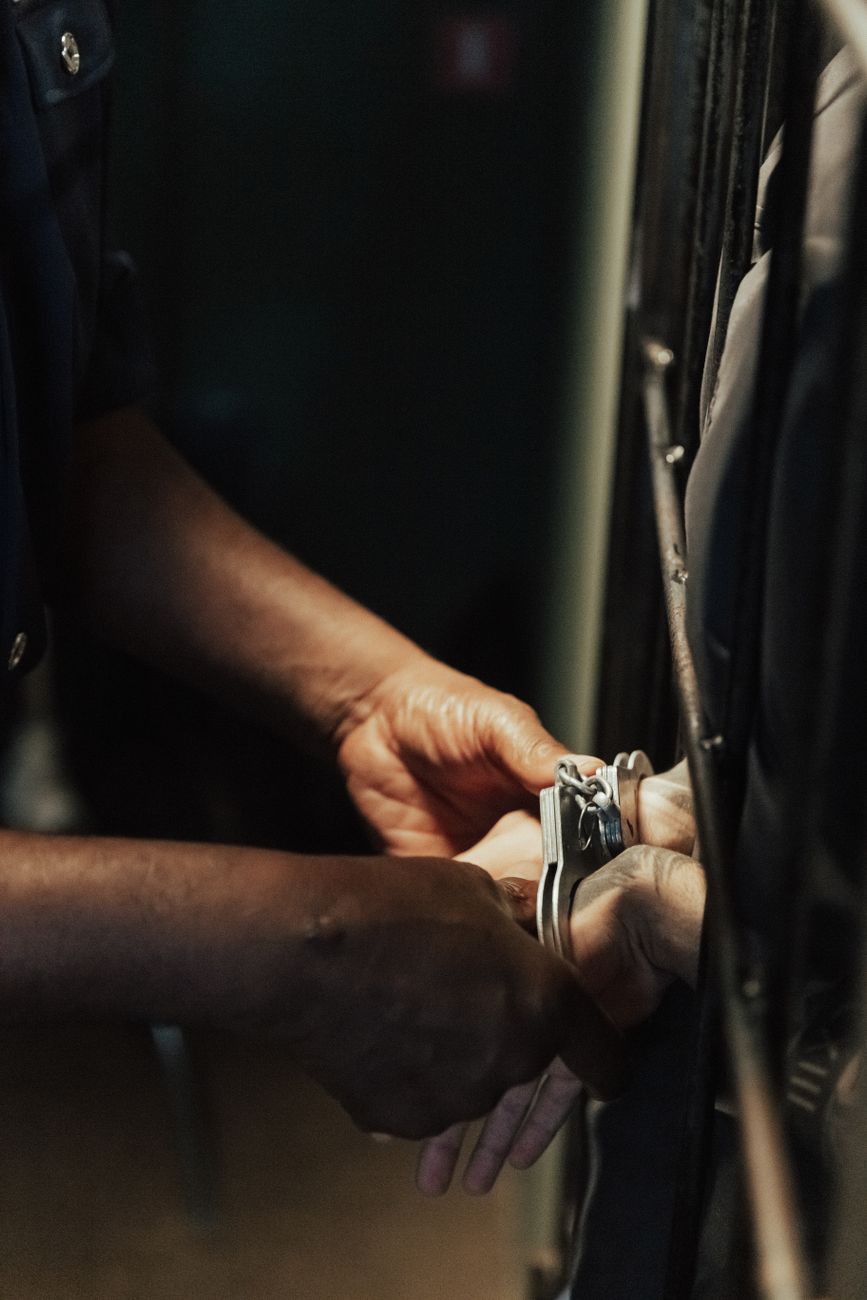
What happened at Manhattan's immigration court
Two separate federal judges ordered a halt to immigration arrests inside Manhattan's courthouse, with only narrow exceptions — such as national security threats or an imminent risk of violence. Despite those orders, ICE arrested at least five people at the courthouse. The two most recent arrests took place on June 26, 2026, according to court documents. Civil rights groups filed a letter with the court accusing ICE of violating the judges' orders.
The letter was part of an ongoing lawsuit brought last summer by nonprofit immigrant organizations African Communities Together and The Door. The lawsuit challenges what the groups call violent and unlawful arrests at Manhattan courthouses. ICE and the Department of Homeland Security strongly denied any wrongdoing. "ICE did NOT violate any court orders," a DHS spokesperson said. "These were lawful arrests." ICE claims each arrest fell under one of the narrow exceptions allowed by the judges.
Deportation Defense Checklist — Free
Immigrant rights, appeals and protective measures
Who was arrested — and why it matters
The people arrested came from countries including the Dominican Republic and Ecuador. At least one person still in detention had no criminal history except a trespassing charge connected to his border crossing. Attorneys Katherine Rosenfeld and Sam Shapiro wrote in the court letter that ICE's word alone is "no longer sufficient" to justify these detentions. Two of the detained men are waiting for the outcome of habeas petitions — legal requests (called "habeas corpus") asking a federal court to decide if their detention is lawful. The government was expected to file an official response to the accusations by Monday.
Brad Lander, Democratic nominee for New York's 10th Congressional District and former city comptroller, called the arrests "egregious." Lander, who was himself arrested by ICE last year at 26 Federal Plaza and was later found not guilty, said he has observed more than 300 individual immigration cases over the past year. "In one of those 300 cases, a criminal act was mentioned. It was a misdemeanor," he said. The courthouse at 26 Federal Plaza became a flashpoint for public ICE arrests after President Trump's second inauguration and the launch of his mass deportation campaign.
What to do
- Know your rights before your court date. You have the right to remain silent if approached by ICE. You do not have to answer questions about your immigration status or where you were born.
- Tell someone your court date. Let a trusted friend, family member, or immigration lawyer know when and where your hearing is. If you are detained, they can act quickly on your behalf.
- Ask about a habeas petition. If you or someone you know is detained and believes the detention is unlawful, lawyers can file a habeas corpus petition — a legal request for a federal court to review the detention. Time matters, so act fast.
- Contact an immigration nonprofit. Organizations like African Communities Together and The Door offer free or low-cost legal help. If you cannot afford a lawyer, these groups may be able to assist you.
What to do, step by step — see our guide “Your Rights During an ICE Encounter”.

Fishkin Law Firm, New York
If ICE arrests you at or near an immigration courthouse, do not answer questions and do not sign anything — invoke your right to remain silent immediately. If a federal court order is in place limiting courthouse arrests, your attorney can file an emergency habeas corpus petition to challenge your detention and potentially secure your release within days, as happened with the 21-year-old detained in May 2026. The legal landscape here is moving fast, so consult an immigration attorney as soon as possible — ideally before your next court date.
Frequently Asked Questions
Can ICE arrest me inside an immigration courthouse?
Federal judges have ordered ICE to stop making arrests inside Manhattan's immigration courthouse, with very limited exceptions — like if you are considered a national security threat or a danger to public safety who cannot be safely arrested elsewhere. However, as this case shows, arrests have continued despite those orders. Talk to a lawyer before your court date if you are worried.
What should I do if ICE arrests me at the courthouse?
Stay calm and do not resist. You have the right to remain silent — use it. Do not sign any documents without speaking to a lawyer. Ask to call an attorney immediately. If a family member or friend knows you were detained, they can contact an immigration lawyer or nonprofit to file an emergency legal request on your behalf.
What is a habeas corpus petition and how can it help me?
A habeas corpus petition is a legal request asking a federal court to decide whether your detention is lawful. If a judge finds your arrest violated a court order, you may be released. In this case, two detained men are waiting for federal courts to rule on their habeas petitions. An immigration attorney can file this type of petition quickly — time is critical.
Does having no criminal record protect me from ICE arrest?
Not automatically. At least one person detained at Manhattan's courthouse had no criminal history except a trespassing charge related to crossing the border. ICE has claimed all arrests met the legal exceptions, but civil rights lawyers are challenging that in court. Having no criminal record may support your legal case, but it does not guarantee you will not be detained.