22nd ICE Custody Death: Venezuelan Man Denied Medication
Jesús Manuel Arenas-Silva, 45, died in ICE custody in Georgia on July 14 — the 22nd detainee death in federal immigration custody this year. His family and civil rights groups say ICE refused to let him bring his essential medication when he was arrested, and that he went without it until he died. ICE says he received medical care.
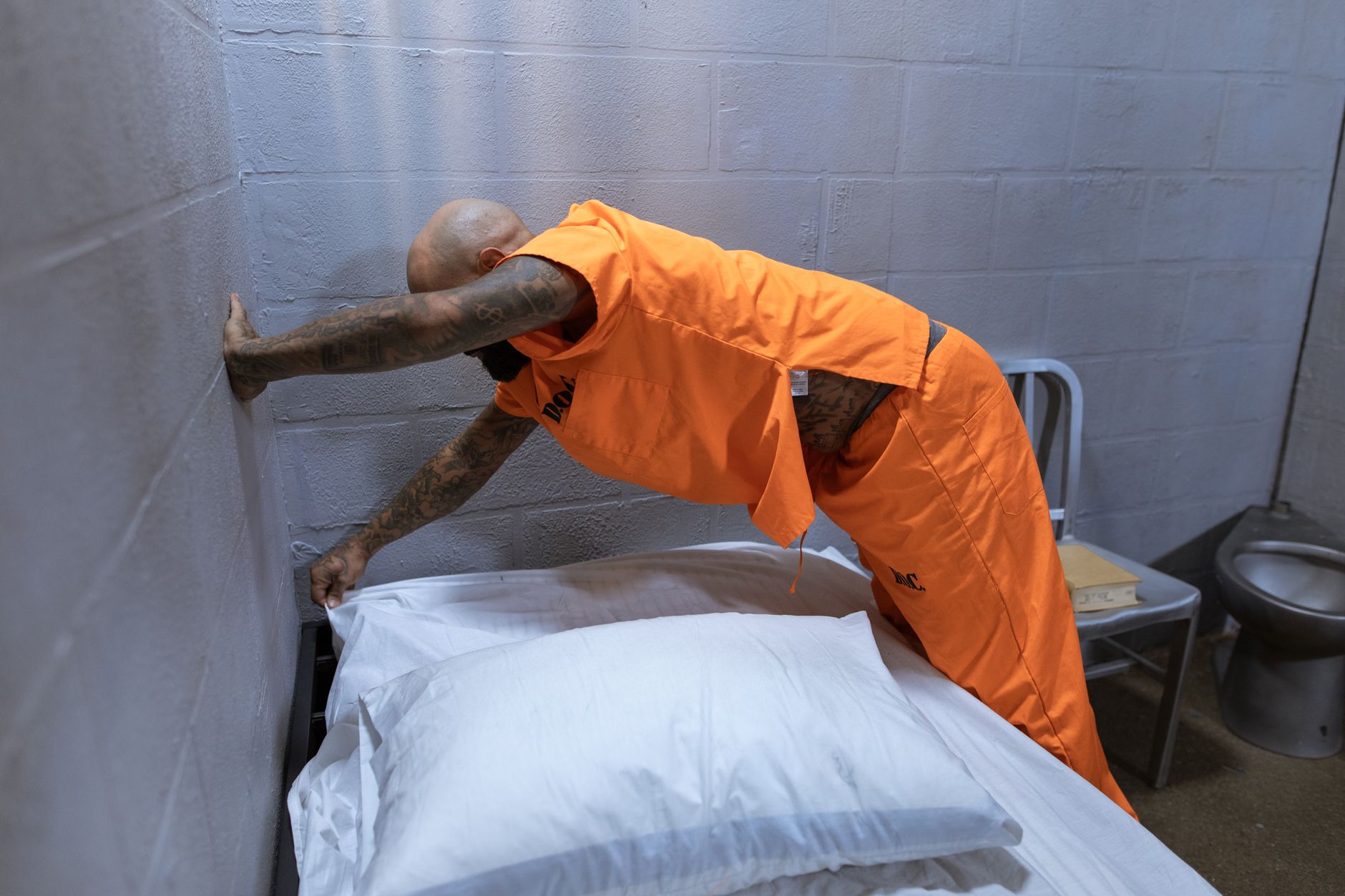
Jesús Manuel Arenas-Silva, a 45-year-old Venezuelan man, died on July 14, 2026, while being transported between ICE detention facilities in Georgia — becoming the 22nd person to die in ICE custody this year. He was found unresponsive on a transport bus en route to the Folkston ICE Processing Center. ICE says the suspected cause of death was cardiac arrest.
Family Says ICE Ignored Pleas About His Medication
Arenas-Silva was arrested on July 10 during a targeted enforcement action in Dallas, Georgia, and held at the Irwin County Detention Center — a privately run facility. His family says that when ICE arrested him at his home, agents at first ignored their request for him to take his medication. Officers eventually allowed him to take only one of his medications. He later called his sister from detention and told her he was not receiving the medication he needed. "He went without medication during his detention until he tragically died in ICE custody on Monday," a press statement from Georgia immigrants' rights groups said. DHS responded to questions by pointing to a line in ICE's own press release stating that Arenas-Silva "received medical care and was seen by medical professionals" while in custody.
Deportation Defense Checklist — Free
Immigrant rights, appeals and protective measures
The Irwin County Detention Center has a troubled history. Its contract with ICE was terminated in 2021 after a nurse blew the whistle on alleged medical abuse. The facility also became known in 2020 for allegations that women detainees were subjected to non-consensual gynecological procedures. A 2022 Senate subcommittee investigation found that "female detainees appear to have been subjected to excessive, invasive, and often unnecessary gynecological procedures." ICE resumed using the facility last year. Arenas-Silva's death is one of four deaths connected to DHS enforcement actions in a single week. Lorenzo Salgado Araujo was shot and killed by an ICE officer in Texas. Joan Sebastián Durán Guerrero was shot and killed by ICE officers in Maine. A fourth man died after being struck by a semi-truck while fleeing immigration officials.
The United Nations High Commissioner for Human Rights, Volker Türk, raised the alarm about deaths in US immigration custody in late June 2026, calling for "prompt, independent, impartial and effective investigations." ICE reported 33 detainee deaths in 2025 — the highest total in more than two decades. Arenas-Silva's family is demanding an independent investigation into his death. His sister said: "I am 100% certain that he did not receive proper care. No one should go through this."
What to Do If You or a Family Member Is Detained by ICE
- Write down the detainee's full name, date of birth, and country of birth — then call the ICE detainee locator (1-888-351-4024) or search online at ice.gov to find which facility they are in.
- If the detained person has a medical condition, contact the facility's medical unit in writing immediately. Keep a copy of every request. This creates a paper trail if care is denied.
- Contact a local immigrants' rights organization or immigration lawyer right away. Organizations like Project South in Georgia offer legal support and can escalate medical emergencies faster than family members acting alone.
- If a detainee dies or is seriously harmed in custody, the family has the right to request an independent investigation. Document everything — calls, dates, names of officials — before memories fade.
Related: our step-by-step guide — “Your Rights During an ICE Encounter”.

Fishkin Law Firm, New York
When someone is detained by ICE, they retain the right to receive adequate medical care under the Fifth Amendment and ICE's own detention standards. If a detainee is denied medication, family members should immediately contact an immigration attorney or legal aid organization to file an emergency request with the facility's medical unit and, if necessary, seek a court order. If a detainee dies and the family believes medical neglect was a factor, preserving all communications — call logs, written requests, witness statements — is critical before pursuing a civil rights claim. Consult an immigration or civil rights attorney as soon as possible.
Frequently Asked Questions
What rights does someone have to medical care while in ICE detention?
ICE detainees have the right to receive medical care under ICE's own detention standards and the US Constitution. This includes access to prescription medications for existing conditions. If care is denied, a lawyer can file an emergency request with the facility or ask a federal court to intervene.
Can ICE detain someone who already has a removal order?
Yes. If an immigration judge has issued a final order of removal, ICE can arrest and detain that person to carry out the deportation. Arenas-Silva had been ordered removed by an immigration judge in Atlanta in April 2026.
What can a family do if their relative dies in ICE custody?
The family can demand an independent investigation and consult a civil rights or immigration attorney about potential legal claims. Documenting all communications with ICE — dates, names, written requests — is essential. Organizations like Project South in Georgia can also help families navigate this process.
Is the Irwin County Detention Center still operating?
Yes. ICE resumed using the Irwin County Detention Center after its contract was terminated in 2021. The facility has a documented history of medical abuse allegations, including a 2022 Senate subcommittee finding about unnecessary gynecological procedures performed on women detainees.