ICE Shooting Evidence Released: What It Means for Immigrants
You are sitting in your car in Minneapolis. An ICE agent shoots you. Six months later, your family still has no answers — because federal authorities refused to hand over the evidence. That standoff just ended, but the fight for accountability is far from over.
You are watching immigration enforcement in your neighborhood, or you are simply driving your car — and a federal agent shoots you. That is what happened to two people in Minneapolis earlier this year. Now, six months later, state prosecutors finally have the evidence they needed to investigate those deaths.
Hennepin County Attorney Mary Moriarty announced that her office received hard drives of previously withheld evidence connected to the fatal shootings of Renée Good and Alex Pretti. Good, a 37-year-old unarmed US citizen and mother, was shot and killed by an Immigration and Customs Enforcement (ICE) agent on January 7 while sitting in the driver's seat of her car. A private autopsy found she suffered three gunshot wounds, including one to the head. Pretti, a Minneapolis nurse who was observing CBP (Customs and Border Protection) officers in the city, was shot dead on January 24. A third person, Julio Sosa-Celis, a Venezuelan national, was also shot during the same period of federal immigration enforcement in Minnesota. The federal officer who shot Sosa-Celis was charged in May with four counts of second-degree assault and one count of falsely reporting a crime.
Deportation Defense Checklist — Free
Immigrant rights, appeals and protective measures
Why Federal Authorities Withheld the Evidence
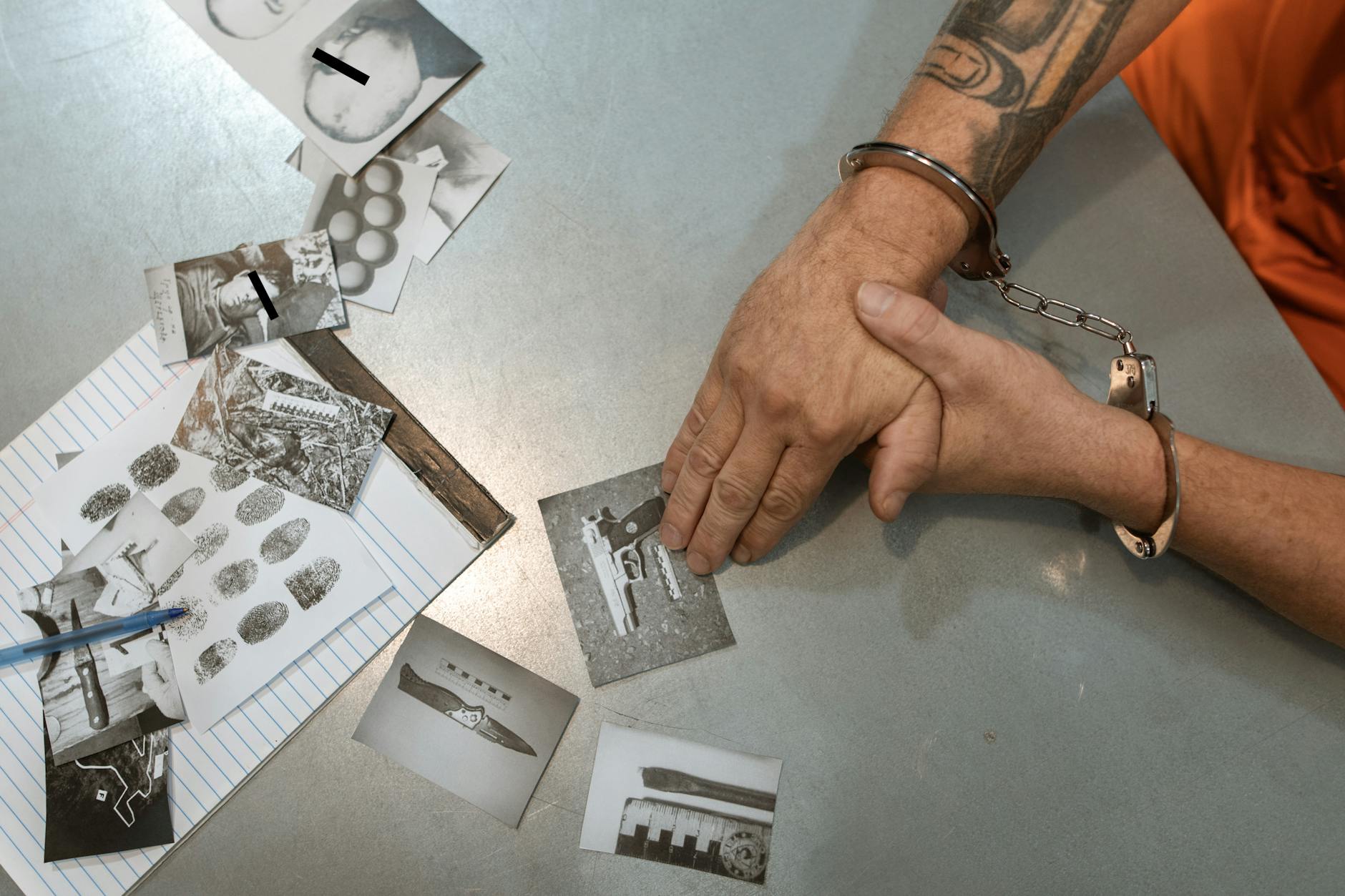
Minnesota authorities said earlier this year that the FBI refused to share evidence from its investigation into all three shootings. Governor Tim Walz demanded an impartial investigation. The newly released evidence includes Good's car, police body-camera video, and witness statements. Moriarty said her office began analyzing the new material immediately, but that the analysis is still ongoing. The Pretti family's attorney, Steve Schleicher, said the family was initially encouraged by the announcement — but that the US Attorney for Minnesota, Daniel Rosen, refused to confirm any formal cooperation agreement between state and federal agencies in a follow-up meeting. Schleicher said that without a public commitment from federal authorities, pursuing accountability for Pretti's death remains extremely difficult.
What This Means If You Witness or Are Affected by ICE Enforcement
- You have the right to observe federal immigration enforcement in public spaces. Observing officers from a safe distance is generally protected activity — but document everything: video, photos, written notes with times and badge numbers.
- If you or someone you know is injured during an immigration enforcement action, contact a local civil rights attorney immediately. Evidence can disappear quickly, and early legal action helps preserve it.
- If federal agents withhold evidence in a case involving you or your family, a state or local attorney can file formal requests and, if necessary, seek a court order to compel disclosure.
- Community organizations and immigrant legal defense groups in your city can connect you with attorneys who handle cases involving federal enforcement misconduct.
A full breakdown of this topic — in our guide “Your Rights During an ICE Encounter”.

Fishkin Law Firm, New York
When federal agencies withhold evidence from state investigators, families and their attorneys can pursue parallel legal avenues: public records requests under state law, civil rights lawsuits under 42 U.S.C. § 1983, and formal complaints to the DHS Office of Inspector General. The fact that a federal officer in the Sosa-Celis case was criminally charged shows that state-level accountability is possible even without full federal cooperation. Anyone whose family member was harmed by a federal agent during immigration enforcement should consult a civil rights attorney as soon as possible — statutes of limitations on civil claims can be short.
Frequently Asked Questions
Can a federal immigration officer legally shoot someone who is not threatening them?
Federal officers are allowed to use deadly force only when they reasonably believe their life or someone else's life is in immediate danger. Whether that standard was met in these cases is exactly what Minnesota prosecutors are now investigating. The fact that Renée Good was unarmed is central to the inquiry.
Is it legal to film or observe ICE agents in public?
Generally, yes. In most US jurisdictions you have the right to record police and federal agents performing their duties in a public space, as long as you do not physically interfere. Stay at a safe distance and do not block officers. Some civil rights groups recommend announcing that you are a legal observer.
What can I do if I think a federal agent violated my rights during an immigration enforcement action?
You can file a complaint with the DHS Office of Inspector General and the CBP or ICE Office of Professional Responsibility. You can also consult a civil rights attorney about a potential lawsuit. Document everything — dates, times, names, badge numbers, and any injuries — as soon as possible.
Does being a non-citizen affect whether I can seek justice if I am harmed by a federal agent?
Non-citizens, including undocumented immigrants, have constitutional rights in the United States, including the right to due process and protection from unreasonable use of force. Immigration status does not eliminate your ability to file a civil rights complaint or lawsuit, though the process can be more complicated. An immigration attorney can advise you on the safest way to proceed.