J-1 Visa Holders Face Unlawful Presence Clock Under New DHS Rule
A new Department of Homeland Security rule took effect on September 15, 2026, and it changed the rules for J-1 visa holders who have overstayed their programs. For the first time, those holders now begin accruing "unlawful presence" on a fixed date — not just after a judge or agency formally finds a violation. A federal court in Washington, D.C., ruled in September 2026 that it could not block the rule from applying to one Colombian doctor caught in the middle of an ongoing lawsuit.
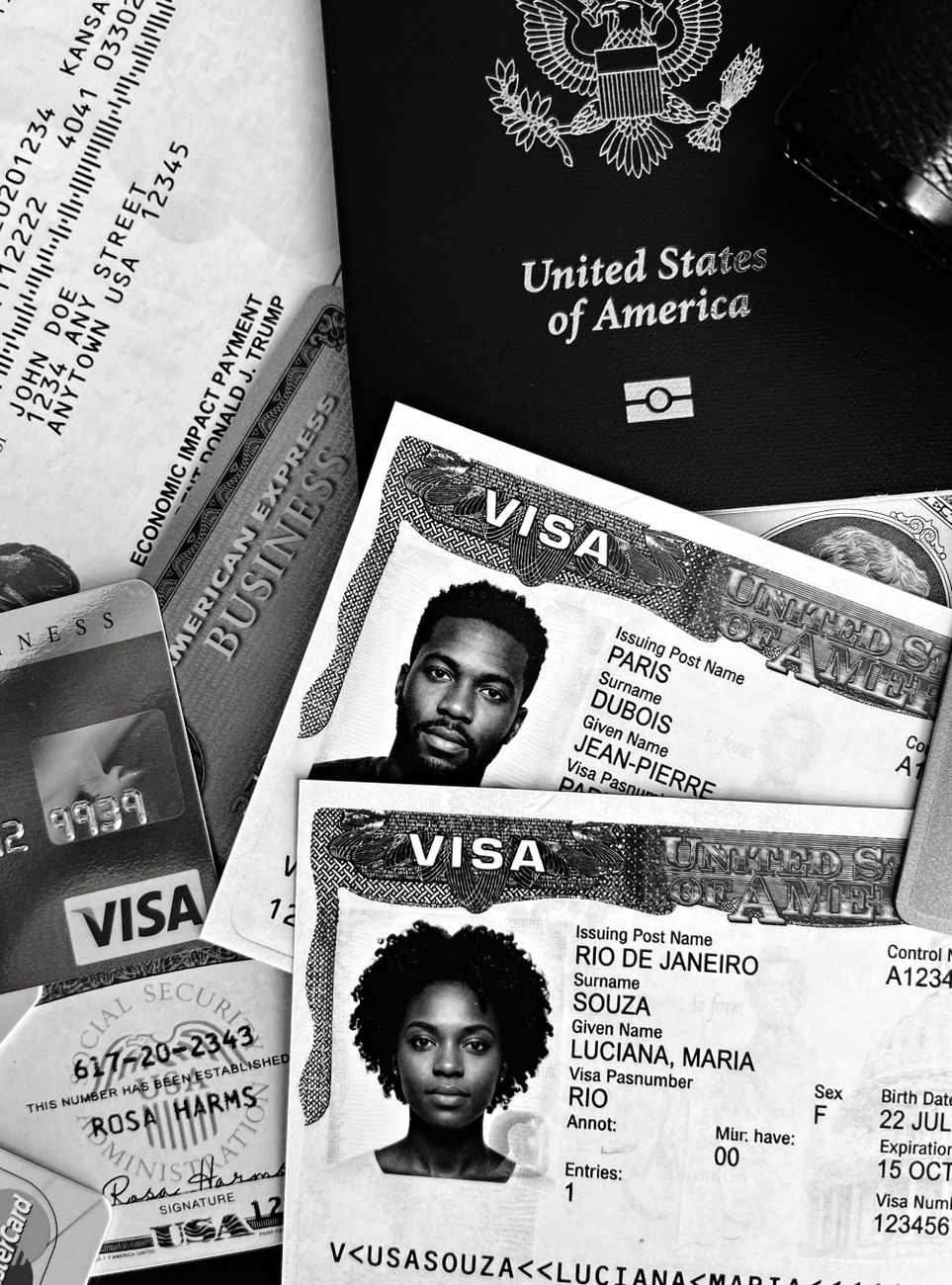
The new DHS rule — published in the Federal Register on July 17, 2026, and titled "Establishing a Fixed Time Period of Admission" — sets a clear deadline for J-1 visa holders: unlawful presence begins to accrue four years and thirty days after admission, or sooner if the exchange program ends first. If a J-1 holder was already out of status when the rule took effect on September 15, 2026, the unlawful presence clock started that same day.
Why This Matters: The Difference Between "Deportable" and "Unlawful Presence"
Before this rule, J-1 visa holders who overstayed their programs were technically deportable — but the unlawful presence clock did not start until an immigration judge or agency formally found a violation. That gap gave many people time to resolve their status without triggering the harsh re-entry bars. Under the INA (the Immigration and Nationality Act, the main federal immigration law), anyone who accrues more than 180 days of unlawful presence and then leaves the US faces a three-year bar on re-entry. Anyone who accrues one year or more faces a ten-year bar. The new rule closes that gap and puts J-1 holders on a fixed timeline.
Immigration Deadlines 2026 — Free
Download PDF with all key dates
The case that brought this rule into sharp focus involves Angelica Paola Trilleras Gomez, a Colombian doctor who came to the US in 2019 on a J-1 visa. Her program was set to end in 2024. USCIS (U.S. Citizenship and Immigration Services) approved her clinical waiver — a type of waiver that lets J-1 holders stay in the US if they agree to practice medicine in an underserved area for at least three years. She had a qualifying job offer in southeastern California. But when she later applied for a second waiver of the J-1 home-return requirement, USCIS denied it, saying she had already received one waiver two years earlier — even though she says she never used it. She and her American citizen husband sued, arguing that USCIS and the State Department are applying an unwritten "one waiver per customer" rule that was never published for public comment, in violation of the Administrative Procedure Act (APA, the law that governs how federal agencies must create rules). The court has not yet decided that underlying lawsuit.
As part of that lawsuit, Trilleras asked the court to block the new DHS unlawful presence rule from applying to her while the case continues. The U.S. District Court for the District of Columbia denied that request in September 2026. The judge said that while the situation was sympathetic, Trilleras had not met the legal standard required for a preliminary injunction — a court order that temporarily stops a government action. The underlying lawsuit over the alleged "secret law" continues.
What to Do
- Check your J-1 program end date immediately. If your exchange program has already ended and you have not obtained a waiver or H-1B status, the unlawful presence clock may already be running under the new rule. Every day counts toward the 180-day and one-year thresholds that trigger re-entry bars.
- If you applied for a J-1 waiver and were denied, do not leave the US without legal advice. Departing while unlawful presence has accrued can trigger a multi-year bar on returning. Talk to an immigration lawyer before making any travel plans.
- If you received a clinical waiver (also called a Conrad 30 Waiver) and are working in an underserved area, confirm your H-1B sponsorship is in process. The waiver alone does not protect you from unlawful presence — you need the follow-on H-1B status to remain lawfully in the US.
- If you believe an agency applied an unpublished rule to deny your application, lawyers recommend documenting every denial notice and consulting an immigration attorney about a potential APA challenge — the same legal theory at the center of the Trilleras case.
What to do, step by step — see our guide “Appealing to the BIA”.

Fishkin Law Firm, New York
J-1 holders who are already out of status need to act quickly. Under the rule that took effect September 15, 2026, the unlawful presence clock started immediately for anyone whose program had already ended — meaning the 180-day threshold that triggers a three-year re-entry bar is now approaching fast for many people. If USCIS denied your waiver based on a policy that was never published for notice and comment, you may have grounds for an APA challenge, but you need to file before your situation worsens. Speak with an immigration attorney as soon as possible to assess your options before any travel or further agency filings.
Frequently Asked Questions
What is the new DHS rule that took effect on September 15, 2026?
The rule, called 'Establishing a Fixed Time Period of Admission,' sets a fixed date when J-1 visa holders begin accruing unlawful presence: four years and thirty days after they were admitted, or earlier if their exchange program ends first. Before this rule, the unlawful presence clock only started after a judge or agency formally found a visa violation.
What happens if I accrue unlawful presence as a J-1 visa holder?
If you leave the US after accruing more than 180 days of unlawful presence, you face a three-year bar on re-entering. If you leave after accruing one year or more, the bar is ten years. These penalties apply under the Immigration and Nationality Act (INA).
What is a J-1 clinical waiver (Conrad 30 Waiver) and does it protect me from unlawful presence?
A clinical waiver lets a J-1 holder skip the two-year home-return requirement if they agree to practice primary care or specialty medicine in a health professional shortage area for at least three years. The waiver approval itself does not fully protect you — you also need to obtain H-1B status through an employer sponsor to remain lawfully in the US.
What is the 'one waiver per customer' rule that the Trilleras case is about?
The plaintiffs in that case allege that USCIS and the State Department are applying an unwritten policy that limits J-1 holders to a single waiver of the home-return requirement, even if they never used the first waiver. They argue this policy was never published for public comment, making it an illegal 'secret law' under the Administrative Procedure Act. The court has not yet ruled on that underlying claim.