Man Dies After ICE Detention at Delaney Hall in Newark
José Efraín Chajón Raxón was arrested by immigration agents in New Jersey on July 18, 2026. One day later, a nurse watched him collapse with what appeared to be a seizure at Delaney Hall detention center in Newark. He died at University Hospital — and his family in Guatemala did not learn the full story for weeks.
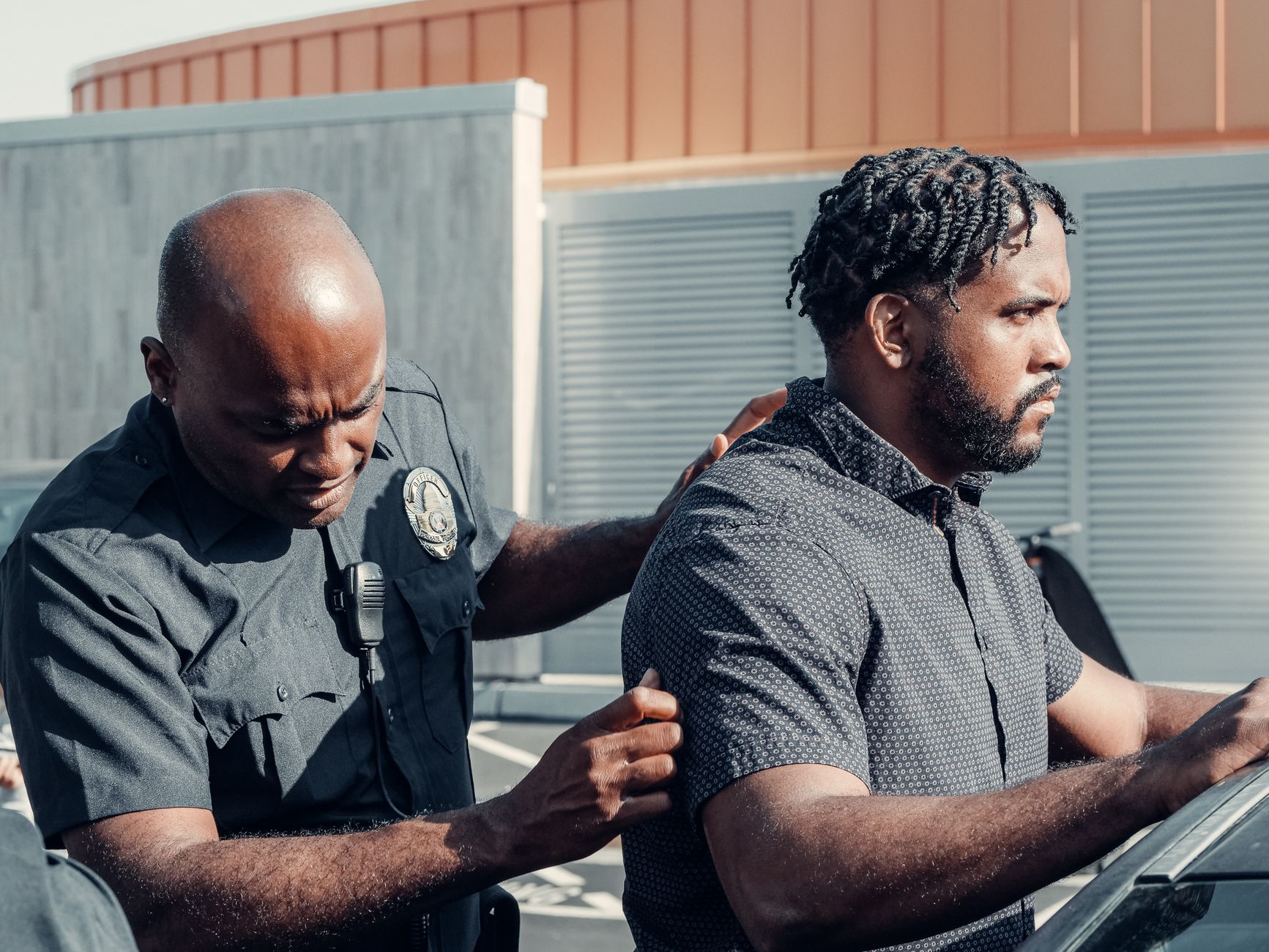
José Efraín Chajón Raxón was arrested by immigration agents in New Jersey on July 18, 2026. The next day, a nurse at Delaney Hall detention center in Newark witnessed him suffer what she described as a seizure. ICE transferred him to University Hospital — and then released him from custody. He died there. He was from El Pilar Dos, a small village outside Guatemala City, and he had left more than a decade earlier to support his family.
His death was the third at Delaney Hall in roughly eight months. In December 2025, Jean Wilson Brutus, a 41-year-old Haitian man, died from a pulmonary blood clot after ICE transferred him to a hospital. On August 1, 2026, Edwin Jovanny López Cornejo, a 39-year-old Salvadoran father, died at the same hospital after collapsing at the facility. Detainees at Delaney Hall have repeatedly complained of medical neglect, and internal protests over mistreatment have occurred multiple times since the center reopened in 2025. New Jersey Congressman Rob Menendez announced on August 3 that a third man had died following a suspected seizure at the facility within eight months.
Deportation Defense Checklist — Free
Immigrant rights, appeals and protective measures
A family left without answers — or money to seek them
DHS confirmed Chajón Raxón's name and death only on August 14 — nearly a month after he died. A DHS spokesperson told Documented that under ICE policy, once a person leaves ICE custody, the agency stops being responsible for monitoring or reviewing any deaths that follow. The department gave no further information about the cause of death. Guatemalan officials said they requested to interview Chajón Raxón on July 21 but received no response from ICE.
His mother, Carmela Raxón Boror, 60, told Documented on August 23 that she depended on the money her son sent from the US. She is ill. When asked whether she wanted justice, she said pursuing any legal action requires money the family does not have. His brother Francisco Armando, 33, said a cousin who was also detained at Delaney Hall that day watched Chajón Raxón fall to the floor during a seizure. The cousin later told the family that Chajón Raxón was placed on a stretcher with his hands chained. "As if he were a criminal," Francisco Armando said. The family has been unable to launch any investigation because of the cost.
The community in El Pilar Dos raised funds across neighboring villages — in cash and in food — to cover the more than $13,000 needed to repatriate his body. His coffin arrived draped with a Guatemalan flag and a US flag, and covered with red, orange, and yellow lilies. He was buried in the local cemetery on August 3, 2026. The Guatemalan Foreign Ministry told Documented it is still evaluating available information to decide its next step.
What to do if a family member is detained by ICE
- Use ICE's online detainee locator at ice.gov to find where your family member is being held. You will need their full name, country of birth, and A-number if available.
- Ask the detention facility to notify your country's consulate. This is a right under the Vienna Convention on Consular Relations. Write down the date and the name of every official you speak with.
- Contact an immigration attorney as soon as possible — especially if the detained person has a medical condition. Lawyers can request medical records and file emergency motions if care is being denied.
- If someone dies in or shortly after ICE detention, file a complaint with the DHS Office of Inspector General and contact your local congressional representative. Organizations like the ACLU and immigrant rights groups may offer free legal support.
Related: our step-by-step guide — “Your Rights During an ICE Encounter”.

Fishkin Law Firm, New York
Under the Vienna Convention on Consular Relations, ICE is required to notify a detainee's consulate without delay if the detainee requests it — and in some cases even if they do not. If you or a loved one is detained, immediately invoke this right and ask the facility to contact your country's consulate. Families should also know that ICE's own policy states the agency stops monitoring a person's condition once they are released from custody, which creates a dangerous gap in accountability. An immigration attorney can help you file complaints with the DHS Office of Inspector General and preserve evidence for any future legal action — consult one as soon as possible.
Frequently Asked Questions
What happens to someone who gets sick inside an ICE detention center?
ICE is supposed to provide medical care to people in its custody. If a detainee has a medical emergency, they should be transferred to a hospital. But according to DHS's own statement in this case, once ICE releases a person from custody — even to a hospital — the agency considers itself no longer responsible for monitoring what happens to that person.
Can a detained immigrant's family find out where they are being held?
Yes. ICE runs an online detainee locator at ice.gov. You need the person's full name, country of birth, and ideally their A-number (alien registration number). If you cannot find them online, call the ICE ERO (Enforcement and Removal Operations) hotline or contact an immigration attorney for help.
Does ICE have to tell a detainee's home country government about the arrest?
Under the Vienna Convention on Consular Relations, ICE must inform a detainee's consulate if the detainee asks. In this case, Guatemalan officials said they were notified of Chajón Raxón's detention on the day of his arrest and requested to interview him on July 21, but ICE did not respond.
What can a family do if someone dies in ICE custody or shortly after release?
Families can file a complaint with the DHS Office of Inspector General. They can also contact their local congressional representative — in this case, New Jersey Congressman Rob Menendez publicly raised the issue. An immigration attorney or civil rights organization may be able to help pursue a wrongful death claim, though these cases are complex and costly.