Man Dies in ICE Custody in Saipan: What Detainees Can Expect
What happens if someone in ICE detention becomes unresponsive — and who is responsible for their care? On August 23, 2026, a 51-year-old Chinese national named Lianyong Wei died in an emergency room in Saipan after being found unresponsive in his cell just hours after ICE took him into custody. His cause of death is still under investigation.
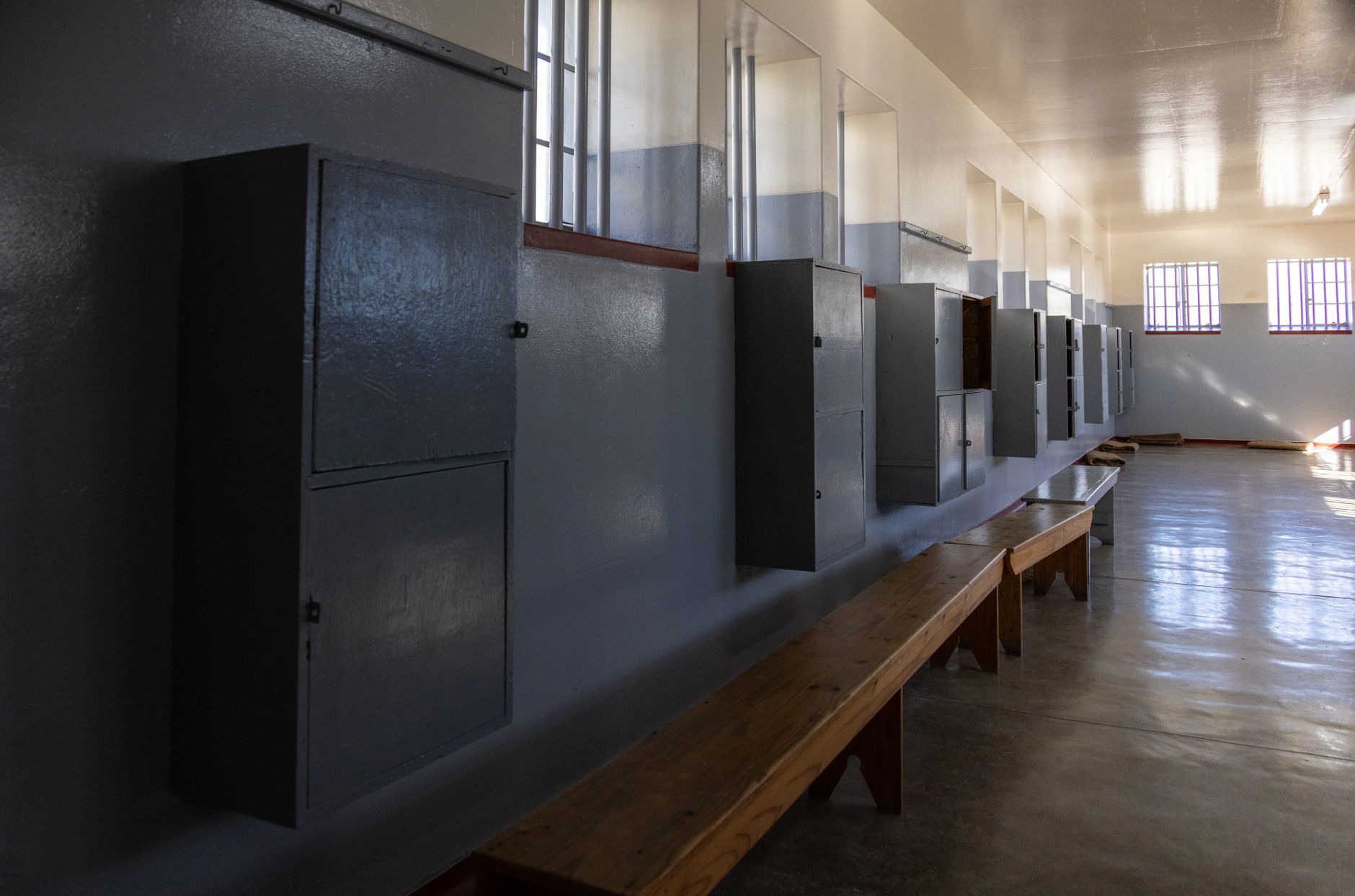
What if the deadline has already passed — and someone is already in custody? For Lianyong Wei, that question became tragically real. Wei was taken into ICE custody on August 22, 2026, one day after his arrest by local police in the Commonwealth of the Northern Mariana Islands (CNMI). The next morning, a corrections officer found him unresponsive during routine checks. He was rushed to the Commonwealth Health Care Corporation Emergency Room, where he was pronounced dead at approximately 7:30 a.m. Chamorro Standard Time. His official cause of death remains under investigation.
How Wei Ended Up in Removal Proceedings
Wei's immigration history stretches back to 2019. U.S. Customs and Border Protection (CBP) paroled him into Saipan on February 6, 2019, with permission to stay only until February 16, 2019. He remained in the CNMI without authorization after that date. U.S. Citizenship and Immigration Services (USCIS) issued him a Notice to Appear — the document that formally starts removal proceedings — on July 14, 2026. His next immigration court hearing had been scheduled for September 2026. He never made it.
Deportation Defense Checklist — Free
Immigrant rights, appeals and protective measures
What ICE Is Required to Do After a Custody Death
Under federal law, ICE must follow a strict notification process when someone dies in its custody. In Wei's case, Enforcement and Removal Operations (ERO) San Francisco notified the Department of Homeland Security, the DHS Office of Inspector General, and the ICE Office of Professional Responsibility. ICE also notified the Chinese consulate, as required by international law, and contacted Wei's next of kin. Under the DHS Appropriations Act of 2018, ICE must publicly release all reports on in-custody deaths within 90 days. Those reports are available on ICE's official website at ICE.gov's Detainee Death Reporting page.
ICE states that all people in its custody must receive a medical screening within 12 hours of arrival, a full health assessment within 14 days, and access to 24-hour emergency care. Whether those standards were met in Wei's case is part of the ongoing investigation.
What to Do If a Family Member Is in ICE Detention
- Contact the detention facility directly to ask about your family member's medical status and confirm they received their intake screening within 12 hours of arrival.
- Request written records of any medical care provided — detainees and their legal representatives have the right to this information.
- If you believe medical care is being denied or delayed, an immigration attorney can file an emergency motion with the immigration court or contact the DHS Office of Inspector General to report a concern.
- Check ICE.gov's Detainee Death Reporting page for official reports if a loved one has died in custody — ICE is required to post these within 90 days of the death.
Related: our step-by-step guide — “Your Rights During an ICE Encounter”.

Fishkin Law Firm, New York
When someone enters ICE custody, the agency is legally required to conduct a medical screening within 12 hours and a full health assessment within 14 days. If a detainee has a known medical condition, their attorney should document it immediately and request written confirmation that the facility is providing appropriate care. Deaths in custody trigger mandatory reporting to Congress and DHS oversight bodies — if you suspect negligence, contact the DHS Office of Inspector General and consult an immigration attorney who handles detention cases.
Frequently Asked Questions
What medical care is ICE required to provide to detainees?
ICE policy requires a medical, dental, and mental health screening within 12 hours of a detainee's arrival, a full health assessment within 14 days, and access to 24-hour emergency care throughout their detention.
What happens when someone dies in ICE custody?
ICE must notify the Department of Homeland Security, the DHS Office of Inspector General, the ICE Office of Professional Responsibility, the relevant foreign consulate, and the detainee's next of kin. Under the DHS Appropriations Act of 2018, ICE must also publish a public report within 90 days of the death on ICE.gov.
What is a Notice to Appear, and what does it mean for removal proceedings?
A Notice to Appear (NTA) is the document USCIS or ICE uses to formally start removal proceedings against someone. It lists the reasons the government believes the person should be removed and schedules them for a hearing before an immigration judge. Receiving an NTA does not mean you will automatically be deported — you have the right to appear in court and present a defense.
Can a family member find out if someone is in ICE detention?
Yes. ICE operates an online detainee locator at ICE.gov where you can search by name and country of birth. You can also call the facility directly. An immigration attorney can help you get more detailed information and advocate for the detainee's rights.