Supreme Court Upholds Birthright Citizenship in 2026
Donald Trump signed an executive order on his first day back in office trying to end automatic citizenship for children born in the US to undocumented or temporary immigrants. For more than a year, hundreds of thousands of families did not know if their US-born children would be recognized as citizens. The Supreme Court just gave them an answer.
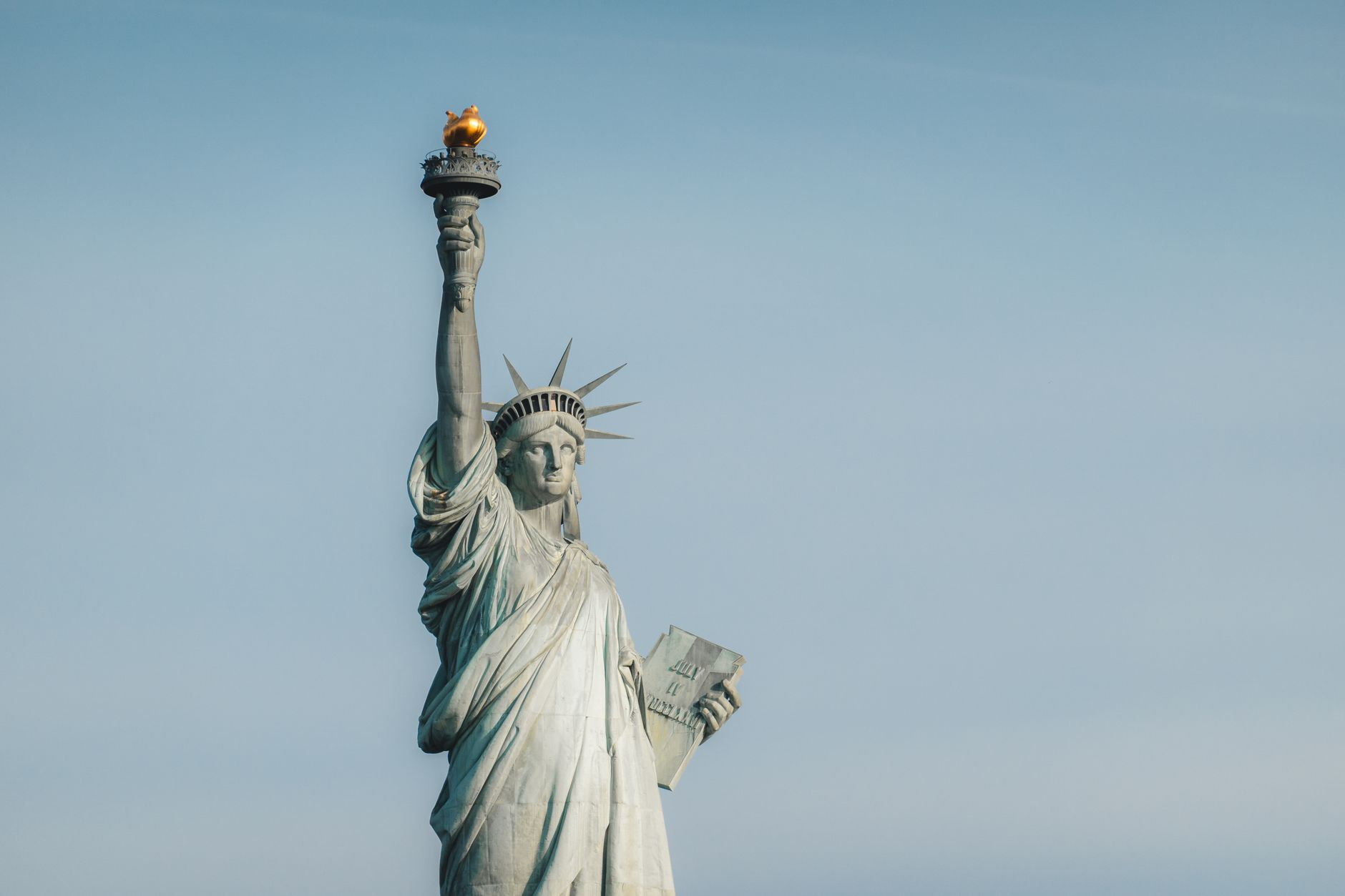
What the Supreme Court decided
The US Supreme Court ruled that birthright citizenship — the right of nearly every person born on US soil to be an American citizen — is protected by the Constitution. Chief Justice John Roberts wrote the majority opinion, joined by four other justices. The ruling strikes down Trump's executive order, which tried to deny citizenship to children born to undocumented immigrants or parents with temporary legal status.
The majority based its decision on the 14th Amendment of the US Constitution, which says citizenship belongs to "all persons born or naturalized in the United States, and subject to the jurisdiction thereof." Roberts wrote that children born in the US to parents who are undocumented or temporarily present are "subject to the jurisdiction" of the United States and are citizens at birth. The Trump administration had argued that the word "domicile" — meaning permanent residence — should limit who qualifies, but the court rejected that argument. Roberts called parts of the government's case "very quirky" and said there was "scant evidence" for its interpretation.
Immigration Deadlines 2026 — Free
Download PDF with all key dates
Three conservative justices — Clarence Thomas, Samuel Alito, and Neil Gorsuch — disagreed with the ruling. Justice Brett Kavanaugh agreed with the outcome but said the executive order violated federal law, not the Constitution — leaving open a possible path for Congress to act. Trump quickly called on Congress to pass new legislation to end birthright citizenship, writing on Truth Social: "Congress should start TODAY." However, changing the Constitution itself requires a two-thirds majority vote in both chambers of Congress, a much higher bar than passing a regular law.
What this means for immigrant families
The American Civil Liberties Union (ACLU), which argued the case on behalf of affected parents, called the ruling a "major victory." The decision means that if your child was born in the United States, their citizenship cannot be taken away by a presidential executive order. Civil rights groups noted that the ruling came just before America's 250th birthday and called it one of the most important decisions of the modern era. Still, the political fight is not over — Trump and some members of Congress have signaled they will look for a legislative path to restrict birthright citizenship in the future.
What to do
- If your child was born in the US, their citizenship is protected under this ruling. Make sure they have a US birth certificate and, when old enough, a US passport as proof of citizenship.
- If you are in removal proceedings (the legal process where the government tries to deport you) and have a US-born child, tell your immigration lawyer about this ruling — it may be relevant to your case.
- Watch for any new legislation from Congress that could affect birthright citizenship rules in the future. Lawyers recommend staying informed through trusted immigration news sources.
- If you are unsure about your child's citizenship status or your own immigration options, consult a licensed immigration attorney as soon as possible.
A full breakdown of this topic — in our guide “Immigration Court Rulings”.

Fishkin Law Firm, New York
This ruling protects US-born children's citizenship regardless of their parents' immigration status, but families should not wait — secure official documents like a US passport for every US-born child now, before any future legislative changes create uncertainty. If you or a family member are in removal proceedings, a US-born child's citizenship can be a significant factor in certain forms of relief, such as cancellation of removal, so raise it with your attorney immediately. Given that Congress may attempt a statutory workaround, anyone affected by birthright citizenship issues should consult a licensed immigration attorney to understand how potential new laws could affect their family.
Frequently Asked Questions
My child was born in the US but I am undocumented. Is my child still a citizen after this ruling?
Yes. The Supreme Court ruled that children born on US soil to undocumented parents are US citizens under the 14th Amendment. Trump's executive order, which tried to deny this, was struck down.
Can Trump or Congress still end birthright citizenship?
The court blocked the executive order, but Justice Kavanaugh noted that Congress could try to pass new legislation. Changing the Constitution itself requires a two-thirds vote in both chambers of Congress — a very high bar. Lawyers recommend monitoring new legislation closely.
I am on a temporary visa (like H-1B or a student visa). If my child is born in the US, are they a citizen?
Yes, under this ruling. The court specifically said children born to parents with temporary legal status are also covered by the 14th Amendment's citizenship guarantee.
Does this ruling help me avoid deportation if I have a US-born child?
Having a US-born child does not automatically stop deportation, but it can be a factor in certain immigration court cases, such as cancellation of removal. In these situations, people usually consult an immigration attorney to understand all available options.