DOJ Strips Citizenship From 40 Naturalized Americans
The US Justice Department filed denaturalization actions against 40 naturalized citizens between August 21 and October 2, 2026 — what DOJ called the largest single-period effort of its kind under the Trump administration. Attorney General Todd Blanche said those targeted "concealed critical facts" during the naturalization process and represent "serious criminal offenders." The move signals that naturalized citizenship, long considered permanent, is now under active legal challenge at a scale not seen before.
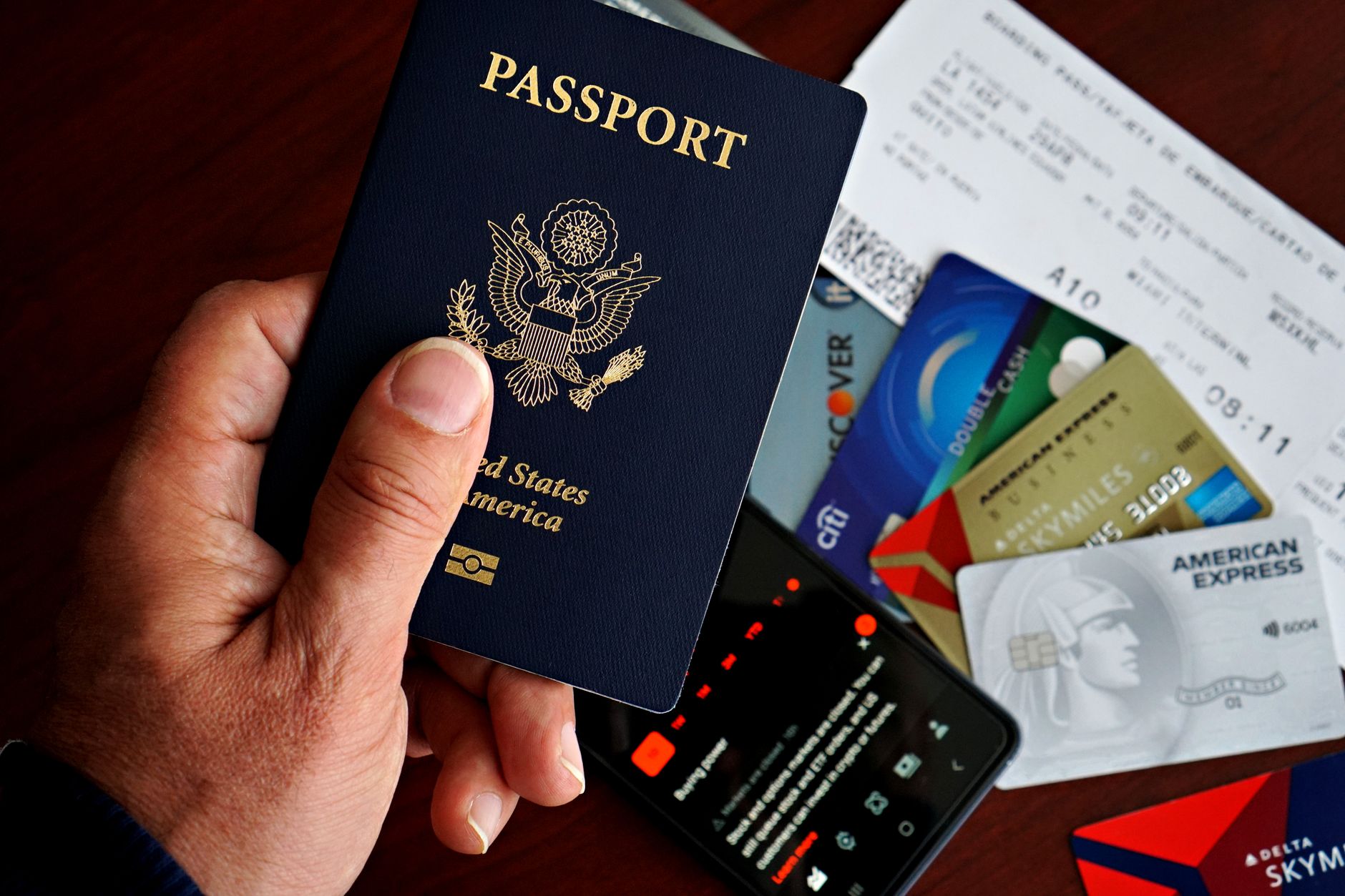
The Justice Department announced on October 5, 2026, that it had filed denaturalization complaints in multiple federal district courts against more than three dozen naturalized US citizens. The cases were filed between August 21 and October 2, 2026. Alleged offenses among those targeted include acting as an agent for a foreign government, voluntary manslaughter, and aggravated sodomy against a special-needs man.
How denaturalization works — and why this wave is different
Under the federal Immigration and Nationality Act, a federal court can revoke naturalized citizenship if the government proves it was obtained illegally — typically through concealment of a material fact or willful misrepresentation. In plain terms: if you lied on your naturalization application, or hid a serious crime, the government can ask a court to take your citizenship away. Denaturalization cases have historically been rare and resource-intensive. From 2017 to late 2025, the US denaturalized roughly 120 people total, according to The New York Times. The 40 cases announced in October 2026 represent a sharp acceleration.
US Citizenship Checklist — Free
Naturalization: from N-400 to the Oath
The Trump administration began laying the groundwork in 2025, when the Justice Department issued a memo directing its civil division to expand the categories of people eligible for denaturalization. A DOJ official described the April 2026 wave — when the Times reported at least 384 targets had been identified — as only "the first wave." The October 2026 announcement follows that trajectory. Attorney General Blanche stated the department "will continue to employ the denaturalization process to maintain our national security and protect the American people."
The 40 people named in the latest filings came from multiple countries, including Mexico, China, Iran, Pakistan, and the Philippines. One high-profile case involves Jinchao Wei, a former US Navy sailor born in China who was convicted in August 2025 of espionage and unlawfully exporting defense-related technical data. Prosecutors say Wei began plotting to sell military secrets to China months before he became a US citizen in May 2022 — and concealed that conduct during the naturalization process. He was sentenced to more than 16 years in prison.
What to do if you are a naturalized citizen
- Review your original naturalization application (Form N-400) for any information you may have omitted or that has changed — especially regarding criminal history or foreign government contacts.
- If you receive any court notice, letter from the DOJ, or summons related to your citizenship, do not ignore it. You have the right to contest denaturalization in federal court, but deadlines to respond are strict.
- If you have a prior criminal conviction — even an old one — consult an immigration attorney to understand whether it could be used as grounds for a denaturalization action against you.
- Follow official DOJ and USCIS announcements for updates on which categories of cases are being prioritized.
A full breakdown of this topic — in our guide “The Path to U.S. Citizenship”.

Fishkin Law Firm, New York
Denaturalization is a civil court proceeding, not a criminal one, which means the government's burden of proof is lower than in a criminal trial — it only needs to show by "clear, convincing, and unequivocal" evidence that citizenship was improperly obtained. If you receive a complaint, you have the right to an attorney and to present a defense in federal court; do not assume the government's case is airtight. Anyone who believes they may be at risk — particularly those with prior criminal convictions or foreign government contacts — should consult an immigration attorney before any notice arrives.
Frequently Asked Questions
Can the government really take away my US citizenship?
Yes, but only through a federal court process called denaturalization. The government must prove — with clear and convincing evidence — that your citizenship was obtained illegally, usually by hiding a material fact or making a false statement during the naturalization process. You have the right to contest the case in court.
What kinds of things could lead to a denaturalization case against me?
The most common grounds are lying on your naturalization application (Form N-400), hiding a criminal history, using a false identity, or concealing ties to a foreign government. In some cases, serious crimes committed before or during the naturalization process can also be used as grounds.
If I am denaturalized, what happens to my immigration status?
If a court revokes your citizenship, you would revert to whatever immigration status you held before naturalizing — typically lawful permanent resident (green card holder). From there, the government could pursue deportation (removal) proceedings if your underlying conduct also makes you deportable.
Does this affect people who were born US citizens?
No. Denaturalization only applies to people who obtained citizenship through the naturalization process. People who are US citizens by birth — whether born in the US or born abroad to a US citizen parent — cannot be denaturalized.