H-4 Visa Delay Lawsuit Dismissed After Interview Granted
Niket Chandane, an Indian citizen married to an H-1B worker, sued the State Department in May 2026 after he could not schedule his H-4 visa appointments in Hyderabad. A federal court dismissed the case in November 2026 — because the consulate finally held his interview after the lawsuit was filed. The ruling shows both the power and the limits of suing over visa delays.
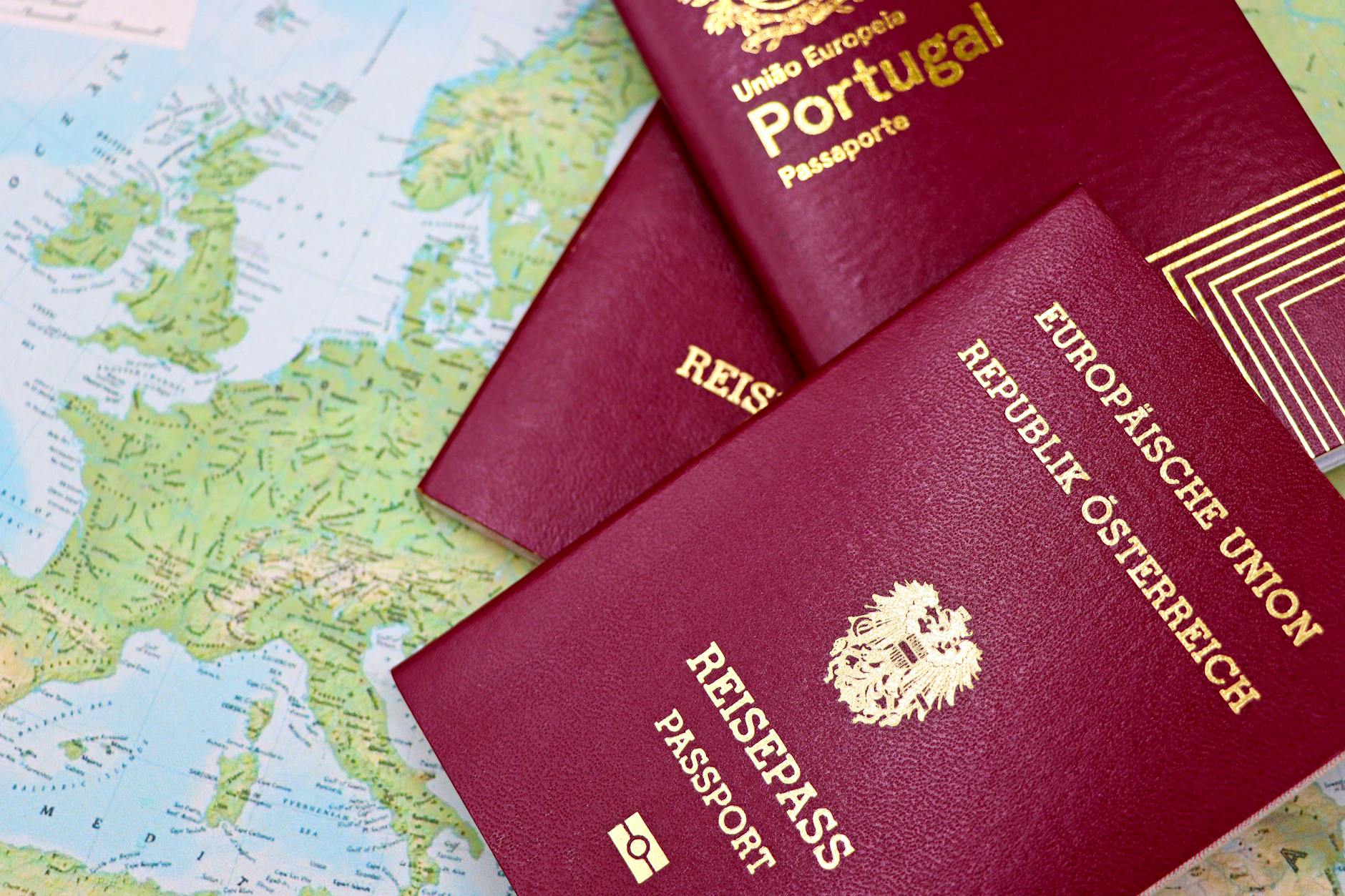
You applied for an H-4 visa so you could join your spouse in the United States — and then months passed with no interview date, no biometrics appointment, nothing. That is exactly what happened to Niket Ananda Chandane, an Indian citizen whose spouse holds an H-1B work visa. Chandane applied for an H-4 nonimmigrant visa (which allows certain relatives of H-1B holders to live in the US) in April 2026. When he could not schedule the required appointments, he sued Secretary of State Marco Rubio and other federal officials in May 2026, arguing the delay violated the Administrative Procedure Act.
What the court decided — and why it matters
The U.S. District Court for the District of Columbia dismissed the case in November 2026. The reason: by the time the court ruled, the U.S. Consulate General in Hyderabad had already interviewed Chandane on August 27, 2026. Because Chandane's lawsuit asked only for access to the processing steps — not for a guaranteed approval — the court found the case was largely moot. In plain terms, he got what he sued for, so there was nothing left for the court to order.
Immigration Deadlines 2026 — Free
Download PDF with all key dates
The court also rejected Chandane's backup argument: that officials should be forced to finish the adjudication. Under the legal test from Telecommunications Research & Action Center v. FCC (known as the TRAC factors), courts weigh whether a delay is truly unreasonable. Here, the court found that seven months — from April 2026 to November 2026 — was nowhere near unreasonable. Congress has set no deadline for processing visa applications, and courts give the State Department wide deference on decisions about admitting foreign nationals. The court noted that other cases have found delays of four years not unreasonable. There is one more detail: according to a sworn declaration from a State Department attorney, Chandane's H-4 application was refused at the August 27 interview, and additional screening remains ongoing.
What this means if you are waiting on a family visa
This ruling shows that suing the government over a visa scheduling delay can sometimes push the process forward — Chandane's interview happened after he filed suit. But it also shows the limits of that strategy. A court will not order a specific outcome, and a seven-month wait is unlikely to be considered unreasonable. If your application was refused after an interview, a separate legal challenge would be needed, and consular decisions are notoriously difficult to overturn in court.
What to do
- If you cannot schedule a required visa appointment (biometrics, interview) after several months, document every attempt — screenshots, confirmation emails, error messages. This record matters if you later need to show unreasonable delay.
- Check the National Visa Center (NVC) and the consulate's official appointment portal regularly. Appointment slots can open with little notice.
- If your visa was refused after an interview, ask the consular officer for the specific legal ground for refusal (called a 221(g) or a hard refusal). The reason determines your next options.
- Lawyers recommend consulting an immigration attorney before filing a federal lawsuit — litigation is expensive, and courts set a high bar for what counts as an unreasonable delay.
Related: our step-by-step guide — “Immigration Court Rulings”.

Fishkin Law Firm, New York
This decision confirms what practitioners already know: federal courts will dismiss a visa-delay lawsuit as moot the moment the government provides the process you asked for — even if the outcome is a refusal. If you are considering suing over a consular delay, make sure your complaint is carefully drafted to preserve claims beyond just scheduling access, because once the interview happens, that piece of the case disappears. If your visa was refused, you are in a different legal posture entirely, and you should speak with an immigration attorney about whether a mandamus action or a motion to reopen is viable.
Frequently Asked Questions
What is an H-4 visa and who can apply?
An H-4 visa is a nonimmigrant visa for certain family members — typically spouses and unmarried children under 21 — of people who hold H-1B work visas. It allows them to live in the United States while the H-1B holder works here.
Can I sue the government if my visa interview keeps getting delayed?
Yes, but courts set a high bar. Under the TRAC legal test, a delay must be truly unreasonable. This court found seven months not unreasonable. Courts have found delays of four years not unreasonable in other cases. Filing a lawsuit can sometimes prompt action, but it does not guarantee a faster decision or a visa approval.
What happens if my visa is refused at the consular interview?
A refusal is different from a delay. The consular officer should give you the legal ground for the refusal. Some refusals are temporary (called 221(g) — administrative processing), while others are final. Your options depend on the reason. An immigration attorney can help you decide whether to reapply, request reconsideration, or explore other paths.
Does a lawsuit over visa delay mean I will get my visa faster?
Not necessarily. In Chandane's case, the interview did happen after he filed suit — but his application was then refused. A lawsuit can sometimes move the process along, but courts cannot order the government to approve a visa, only to follow proper procedures.