Reenter US After Deportation: Step-by-Step Guide
Learn how to legally reenter the US after a deportation order. Steps, required waivers, forms, and legal tips from immigration attorney Ilya Fishkin.
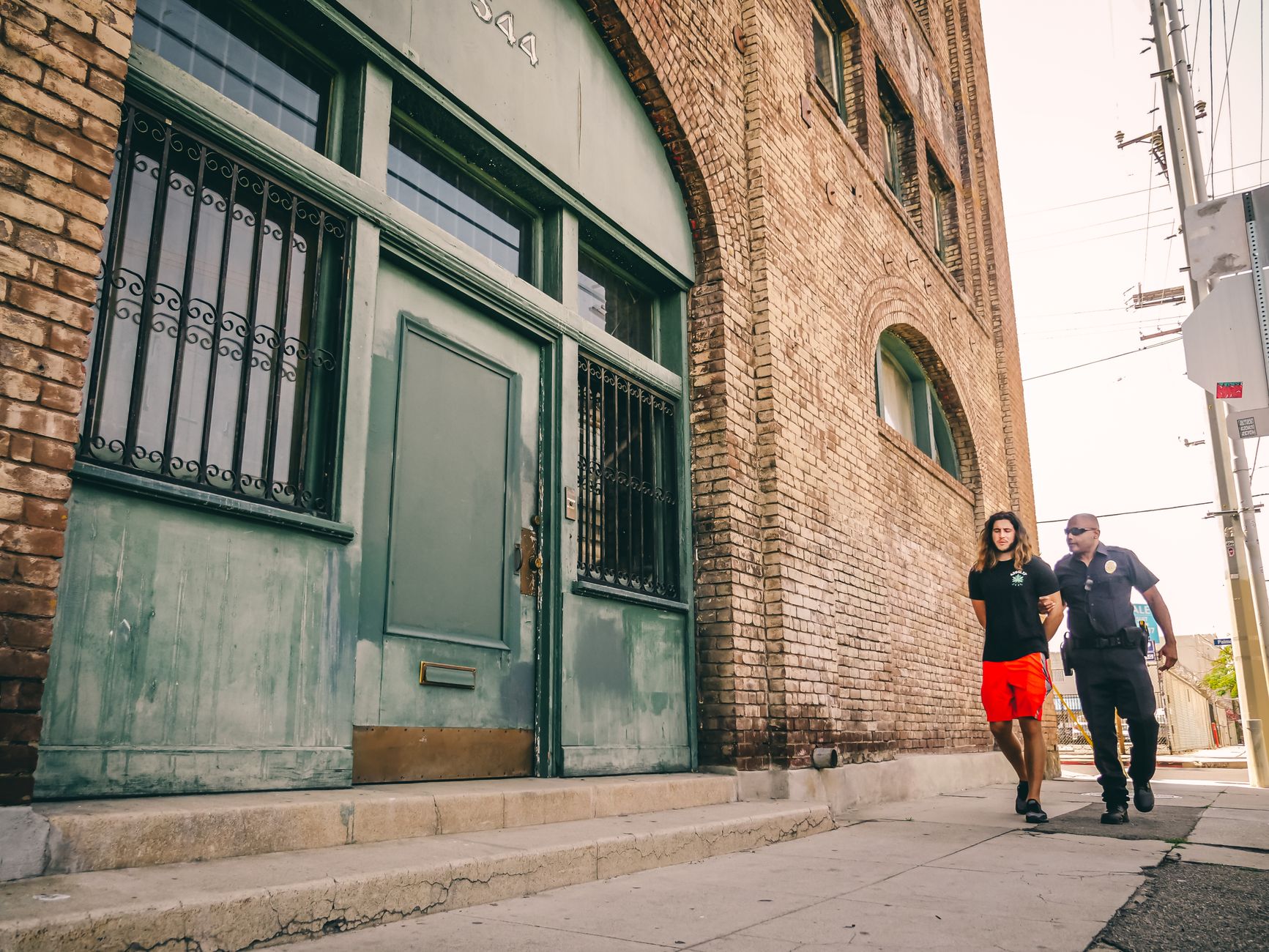
Reentering the US after a deportation order is possible, but only through a formal legal process. You must obtain a special waiver before attempting to cross the border — entering without one is a federal crime under INA §276. The required form is typically I-212 (Permission to Reapply for Admission). Confirm current filing requirements at the official USCIS website.
Quick Answer
If you have a prior order of removal, you are legally barred from reentering the United States for a set period — or permanently, depending on your case. You must file Form I-212 to request permission to reapply for admission, and in most cases also Form I-601A or I-601 to waive grounds of inadmissibility. Do not attempt to cross the border without approved waivers.
Deportation Defense Checklist — Free
Immigrant rights, appeals and protective measures
Who This Applies To and What Bars Apply
Your reentry bar depends on the circumstances of your removal:
- 5-year bar: Applies to individuals removed by an immigration officer at the port of entry (expedited deportation) for the first time.
- 10-year bar: Applies if you were ordered removed by an immigration judge after formal deportation proceedings.
- 20-year bar: Applies if you were removed more than once, or if you had a prior order of removal and were removed again.
- Permanent bar: Applies if you were convicted of an aggravated felony, or if you reentered — or attempted to reenter — illegally after a prior removal. Under INA §212(a)(9)(C), a permanent bar may apply if you were unlawfully present for more than one year (in the aggregate) and then reentered or attempted to reenter without authorization.
Ilya Fishkin, immigration attorney advises clients on which bar applies to their specific situation and whether a waiver pathway exists.
Step-by-Step: How to Legally Reenter the US After Deportation
- Determine your bar period. Review your order of removal and immigration history. Confirm the exact length of your bar under INA §212(a)(9). Consult an immigration attorney to avoid misjudging your situation.
- Wait out the mandatory bar period (if applicable). You cannot apply for Form I-212 until the statutory bar period has expired — unless you qualify for an exception. Attempting reentry before this period ends triggers additional criminal penalties under INA §276.
- File Form I-212 (Application for Permission to Reapply for Admission). This form requests USCIS or CBP permission to apply for admission despite a prior removal. Approval is not guaranteed — it is a discretionary decision. Check current filing fees and instructions at USCIS.
- File a waiver of inadmissibility if required. If you are inadmissible on additional grounds (such as unlawful presence or certain criminal history), you will also need Form I-601 or I-601A. These forms are filed separately and have their own fee and processing requirements — verify current amounts on uscis.gov.
- Obtain a valid visa or immigrant petition. An approved waiver does not by itself grant you entry. You must have a valid basis for admission — such as an approved immigrant petition (e.g., family-based or employment-based), a nonimmigrant visa, or refugee/asylum status.
- Apply at the US consulate or port of entry. Once all waivers and petitions are approved, you may apply for a visa at a US embassy or consulate abroad, or present yourself at an official port of entry. Carry all approval notices, court documents, and waiver approvals.
What the Law Says
The primary legal authority governing reentry after deportation is the Immigration and Nationality Act (INA):
- INA §212(a)(9)(A) — establishes the 5-, 10-, and 20-year bars for prior removals.
- INA §212(a)(9)(C) — establishes the permanent bar for individuals with aggregate unlawful presence exceeding one year who illegally reentered or attempted to reenter.
- INA §276 — makes unlawful reentry after deportation a federal crime, punishable by up to 2 years in prison (up to 20 years for aggravated felons).
- 8 CFR §212.2 — sets the regulatory framework for I-212 applications and the conditions under which consent to reapply may be granted.
For official guidance, consult the US Department of Justice and USCIS.
Important Warnings
- Crossing the border without an approved I-212 — even with a valid visa — is a federal crime if you have an outstanding order of removal.
- A pending I-212 does not authorize you to enter the US while it is being adjudicated.
- If you face a permanent bar, only very limited humanitarian exceptions exist. An experienced immigration attorney is essential.
- Processing times and filing fees for I-212, I-601, and I-601A change periodically — always verify current information at uscis.gov/feecalculator before filing.
This material is for informational purposes only and does not constitute legal advice.
Frequently Asked Questions
can I apply for I-212 while still outside the US
Yes. Form I-212 can be filed from abroad, either with USCIS or directly with CBP at the port of entry where you plan to apply for admission. The correct filing location depends on your situation — check current instructions on uscis.gov before submitting.
what happens if I reenter the US illegally after deportation
Illegal reentry after a deportation order is a federal crime under INA §276. Penalties include up to 2 years in prison for a first offense and up to 20 years if you have an aggravated felony conviction. You will also receive a new, separate order of removal, which further complicates any future legal reentry.
how long does I-212 approval take
Processing times vary significantly and are not fixed by statute. Check current USCIS processing times at uscis.gov — do not rely on outdated estimates, as times fluctuate based on caseload and policy.
can I get a green card after being deported from the US
In some cases, yes — but only after the applicable bar period has passed and all required waivers (Form I-212 and, if needed, Form I-601 or I-601A) have been approved. You must also have a valid immigrant petition on your behalf (e.g., from a US citizen spouse or employer). A permanent bar makes this significantly harder and usually requires demonstrating exceptional and extremely unusual hardship.