ICE Agents Used Racial Slurs During LA Raids, Court Docs Show
ICE agents texted racial slurs about the people they were targeting during the 2025 Los Angeles immigration raids. That detail is now part of a federal lawsuit — and it raises a direct question for anyone who was stopped, detained, or arrested during those operations: was your stop legal?
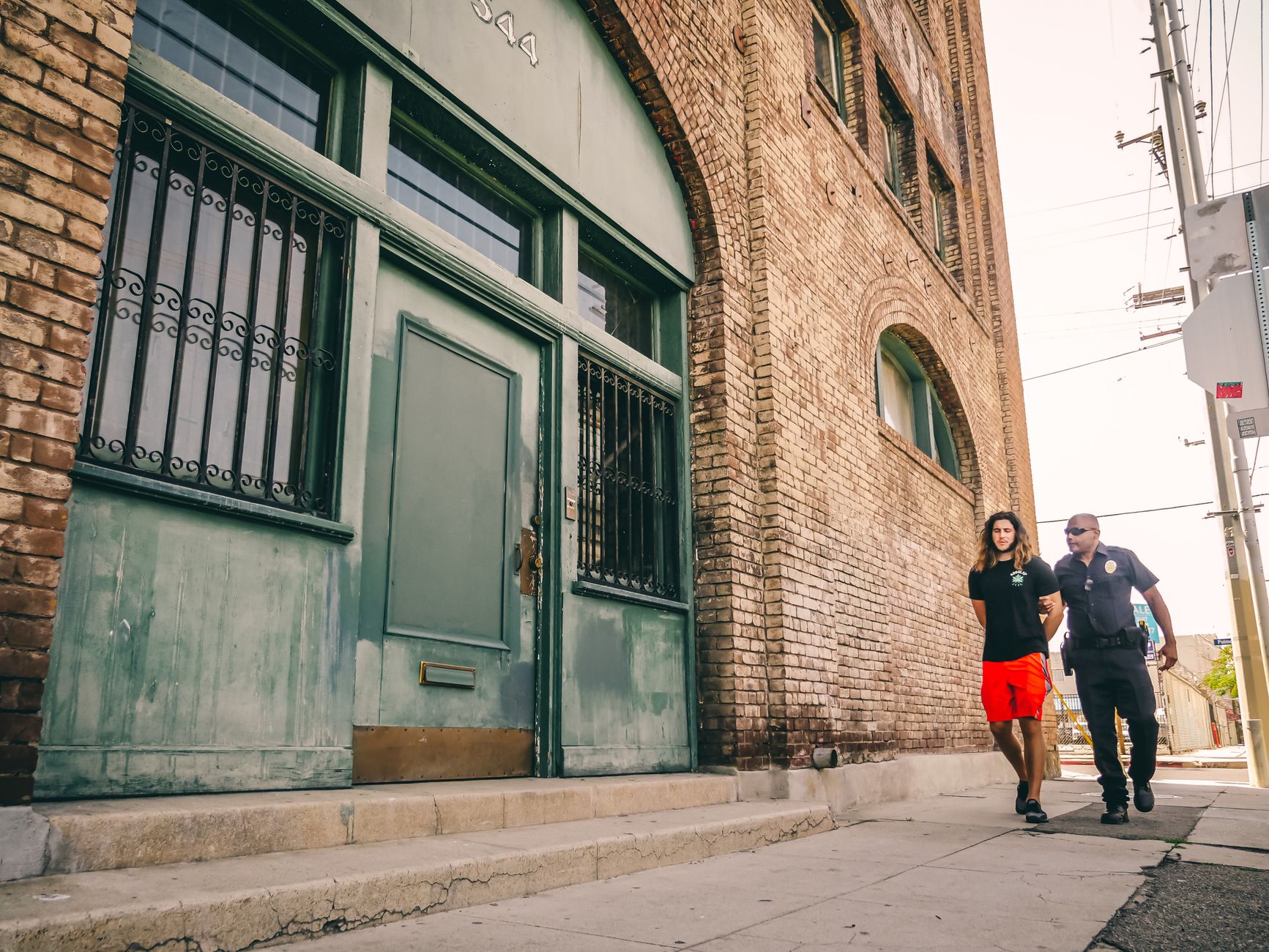
What if ICE agents stopped you based on how you look — not on any evidence you broke the law? That is exactly what five men allege happened to them during immigration raids in the Los Angeles area in summer 2025. Newly released court documents show that ICE agents referred to the targets of those operations using racial slurs in private text messages, and lawyers for the men are now asking a federal judge to stop any further detention stops based on race or socioeconomic status.
What the court documents say
The slurs appeared in text chains sent by unidentified ICE agents on July 2 and July 4, 2025. In one message, an agent used an anti-immigrant slur to describe people selling food at a Fourth of July event in Long Beach. In another, an agent used an abbreviated slur historically aimed at undocumented Mexicans who cross the Rio Grande. The US Border Patrol had previously warned its own agents against using that language. The messages were made public in a motion filed as part of a lawsuit the five men brought against the Trump administration in June 2025, alleging that ICE's stop-and-arrest practices during the LA raids were unlawful.
Deportation Defense Checklist — Free
Immigrant rights, appeals and protective measures
Three of the plaintiffs were arrested while waiting at a bus stop to be picked up for work. A fourth had his arm twisted and was pushed against a gate by masked immigration agents — even after he told them he was a US citizen. A separate court declaration came from Angel Santiago Tafolla, an Anaheim resident and US citizen who was not among the plaintiffs. ICE agents handcuffed him and put him in a van during a sweep of the car wash where he worked in Orange County, releasing him only after they confirmed his citizenship. Tafolla said lighter-skinned coworkers who also ran were not chased. In a December deposition, the ICE officer who led the bus stop operation described the people he flagged as possibly undocumented as "older Hispanic males" who appeared to be loitering for work.
Mayra Joachin, deputy director of immigrants' rights at the ACLU of Southern California, said in a press release that the records showed "a pattern of racial profiling" and that officers were "detaining people without justification and often primarily because of the color of their skin." A Department of Homeland Security spokesperson responded that agents are "focused on protecting the American people — not entertaining performative outrage." The lawsuit is ongoing. No court ruling has been issued yet.
What to do
- You have the right to remain silent during an ICE encounter. You do not have to answer questions about your immigration status, birthplace, or how you entered the US.
- If you are stopped, ask clearly: "Am I free to go?" If agents say yes, walk away calmly. If they say no, say: "I am exercising my right to remain silent and I want to speak to a lawyer."
- Write down or record everything you remember as soon as possible after any encounter — agent descriptions, what was said, where it happened, and who witnessed it. This information can be critical if you need to challenge a stop in immigration court.
- If you believe you were stopped because of your race or appearance, contact an immigration lawyer or a local immigrants' rights organization such as the ACLU. Documenting racial profiling may support a legal challenge to your detention.
What to do, step by step — see our guide “Your Rights During an ICE Encounter”.

Fishkin Law Firm, New York
The Fourth Amendment protects everyone in the US — citizen or not — from stops and arrests without reasonable suspicion of a specific crime. An agent describing targets as 'older Hispanic males' loitering for work does not meet that legal standard. If you were detained during one of these operations, you may have grounds to file a motion to suppress any evidence gathered during that stop, which could affect the outcome of your removal case. Consult an immigration attorney who handles deportation defense to review the specific facts of your situation.
Frequently Asked Questions
Can ICE stop me just because of how I look or where I'm standing?
No. Under the Fourth Amendment, ICE agents need reasonable suspicion that you committed a specific immigration violation or crime before they can detain you. Appearing to be Latino or waiting at a bus stop for work is not, by itself, legal grounds for a stop.
What should I do if I think I was racially profiled during an ICE stop?
Write down everything you remember as soon as possible — the date, location, what agents said, what you were doing, and who else was there. Then contact an immigration lawyer or an immigrants' rights organization. Evidence of racial profiling can be used to challenge your detention in immigration court.
I am a US citizen and ICE detained me by mistake. What are my options?
You can file a complaint with the DHS Office for Civil Rights and Civil Liberties. You may also have grounds for a civil rights lawsuit. Document the incident in detail and speak with a civil rights or immigration attorney about your specific situation.
Does this lawsuit change anything for people currently in removal proceedings from the LA raids?
The lawsuit has not produced a court ruling yet, so it does not automatically change anyone's case. However, if you were arrested during the LA raids, your attorney may be able to use the evidence in these court filings — including the text messages — to argue that your stop was unlawful. Talk to a lawyer about whether that applies to your case.