New HSI Carolinas Chief: What It Means for Immigrants
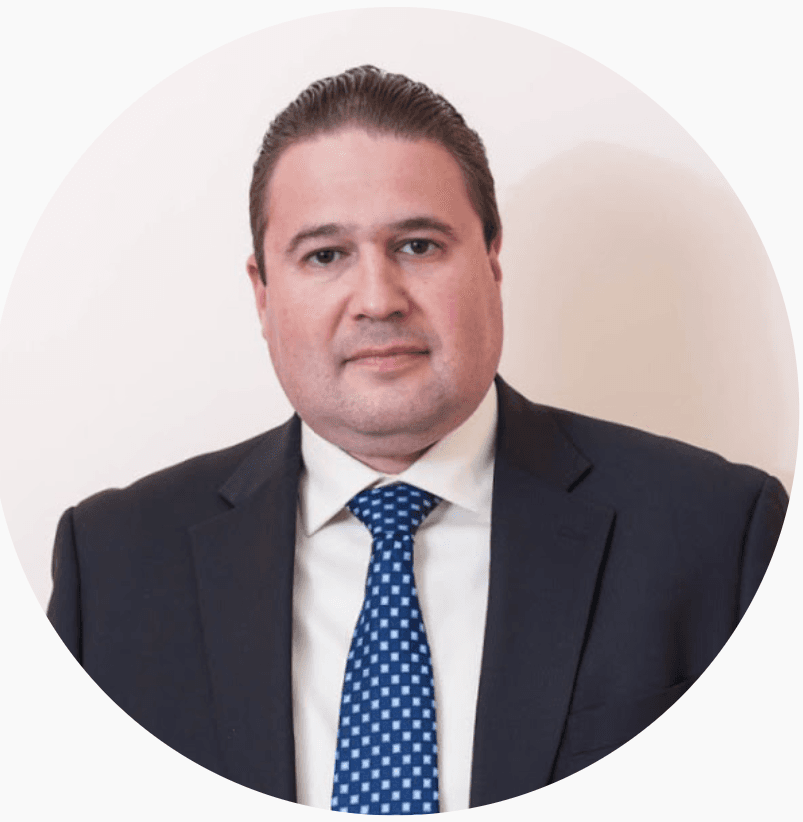
You live in the Carolinas and federal immigration enforcement just got a new regional leader. ICE announced on October 22, 2026, that Mark Zito has been named special agent in charge of HSI Carolinas, overseeing more than 475 personnel across North and South Carolina. No new enforcement policies were announced, but knowing who runs enforcement in your region matters.

You live in Charlotte, Raleigh, or Columbia — and you just heard that federal immigration enforcement in your region has a new leader. On October 22, 2026, ICE's Homeland Security Investigations (HSI) announced that Mark Zito has been named special agent in charge of HSI Carolinas, based in Charlotte. He now oversees all HSI operations across North Carolina and South Carolina.
Who Is Mark Zito and What Does HSI Do?
Zito brings more than 31 years of federal law enforcement experience to this role. He will lead a team of more than 475 special agents, criminal analysts, task force officers, and support staff. Their focus is investigating transnational criminal organizations and networks that violate U.S. customs and immigration laws — not routine immigration status enforcement, which falls under a different ICE division called Enforcement and Removal Operations (ERO).
Immigration Deadlines 2026 — Free
Download PDF with all key dates
Zito previously led HSI Kansas City and has held roles at HSI headquarters and field offices across the country. He also served with the North Carolina Department of Correction and the U.S. Customs Service earlier in his career. He now serves as co-director of the CORE 23 Homeland Security Task Force, which covers the Carolinas region. The announcement contained no new enforcement priorities or policy changes that directly affect immigrants' day-to-day legal status.
What to Do
- Follow official ICE and HSI announcements at ice.gov for any new enforcement priorities in your region.
- If you are in removal proceedings or have a pending immigration case, contact an immigration attorney to review how local enforcement trends may affect your situation.
- Know your rights: you are not required to open your door to federal agents without a judicial warrant signed by a judge — not an administrative ICE warrant.
- Keep copies of all your immigration documents in a safe, accessible place.
Fishkin Law Firm, New York
A change in HSI regional leadership does not by itself alter your legal rights or obligations in immigration proceedings. HSI focuses on criminal investigations — human trafficking, smuggling networks, financial crimes — rather than routine status enforcement. That said, attorneys advise clients in the Carolinas to document all interactions with federal agents and to never answer questions about immigration status without counsel present. If you receive any contact from HSI or ICE, consult an immigration attorney before responding.
Frequently Asked Questions
Does a new HSI regional chief mean more immigration arrests in the Carolinas?
Not automatically. HSI investigates transnational criminal organizations, not routine immigration violations. A leadership change does not signal a new enforcement policy on its own. Watch for official announcements from ICE or HSI for any changes in priorities.
What is the difference between HSI and ICE Enforcement and Removal Operations (ERO)?
Both are part of ICE, but they do different things. HSI investigates serious crimes like human trafficking, smuggling networks, and financial fraud. ERO handles deportations, detention, and removal of people with immigration violations. Zito leads HSI, not ERO.
Do I have to answer questions if HSI agents contact me?
No. You have the right to remain silent and the right to speak with an attorney before answering any questions from federal agents, including HSI. You do not have to open your door unless agents present a judicial warrant signed by a judge.
Where can I find official updates on HSI enforcement in the Carolinas?
Check ice.gov and the HSI press release page for official announcements. Local immigration legal aid organizations in Charlotte, Raleigh, and Columbia also track regional enforcement trends and can provide guidance.