Immigrant Rights at ICE Highway Checkpoints
Know your rights if stopped at an ICE highway checkpoint or traffic stop — what to say, what not to say, and how to protect yourself.
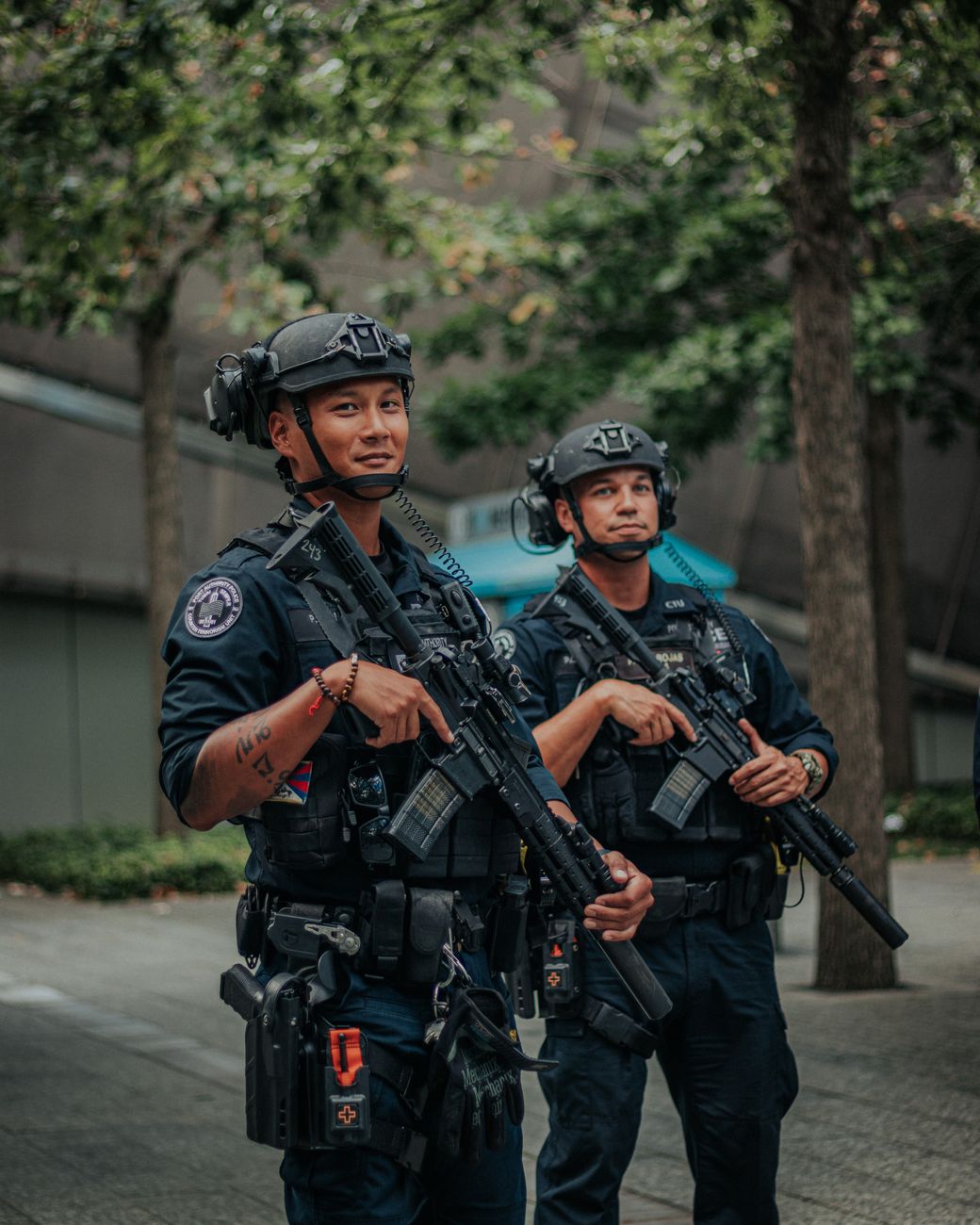
You have constitutional rights at ICE highway checkpoints regardless of immigration status. You may remain silent, decline to answer questions about citizenship, and refuse consent to a vehicle search. Border Patrol may ask about citizenship near the border, but interior checkpoints have stricter limits. Consult an immigration attorney immediately if detained. Check official guidance at ice.gov.
Quick Answer
Both undocumented immigrants and green card holders stopped at a highway checkpoint or traffic operation have Fourth and Fifth Amendment protections. You are not required to answer questions beyond identifying yourself if your state law demands it. You have the right to remain silent and to refuse a vehicle search without a warrant. Politely invoking these rights is legal and cannot itself be used as grounds for arrest.
Deportation Defense Checklist — Free
Immigrant rights, appeals and protective measures
When These Rights Apply — Key Conditions
- Interior checkpoints: Fixed checkpoints located away from the border (typically more than 100 miles inland) must still have "reasonable suspicion" to detain you beyond a brief stop. The Fourth Amendment applies fully.
- Border zone checkpoints: Within 100 miles of a U.S. border, Border Patrol agents may ask about citizenship and conduct brief, suspicion-less stops. Extended detention still requires reasonable suspicion or consent.
- Routine traffic stops by local police: Local officers generally cannot ask about immigration status unless your state law explicitly permits it. Federal immigration enforcement is not their primary role.
- Green card holders: You are required to carry your Permanent Resident Card (Form I-551) at all times under INA §264(e). Present it if asked, but you still have the right to remain silent regarding other questions.
- Undocumented immigrants: You are not obligated to answer questions about how, when, or where you entered the U.S. Silence cannot be used as the sole basis for prolonged detention.
Step-by-Step: What to Do at a Checkpoint or Traffic Stop
- Stay calm and pull over safely. Turn off the engine, turn on interior lights if it is dark, and keep your hands visible on the steering wheel.
- Provide required documents only. Give the officer your driver's license, registration, and proof of insurance if asked. Green card holders should also present their I-551. Do not volunteer additional documents.
- Invoke your right to remain silent clearly and calmly. Say: "I am exercising my right to remain silent." Do not explain, argue, or elaborate.
- Refuse consent to a search. If asked to search your vehicle, say: "I do not consent to a search." If agents search anyway, do not physically resist — note badge numbers and details.
- Do not lie or present false documents. Making false statements to a federal officer is a separate criminal offense under 18 U.S.C. §1001 and can lead to criminal charges in addition to immigration consequences.
- Contact an immigration attorney immediately if detained. You have the right to speak with a lawyer. Write down the attorney's number in advance. Ilya Fishkin, immigration attorney can advise you on your specific situation.
What the Law Says
Several federal statutes and constitutional provisions protect immigrants at checkpoints and traffic stops:
- Fourth Amendment (U.S. Constitution): Protects all persons on U.S. soil — regardless of status — from unreasonable searches and seizures. A vehicle search requires either a warrant, probable cause, or your voluntary consent.
- Fifth Amendment (U.S. Constitution): Guarantees the right against self-incrimination. You may refuse to answer questions that could be used against you in immigration or criminal proceedings.
- INA §264(e) (8 U.S.C. §1304(e)): Requires lawful permanent residents to carry their green card at all times. Failure to do so is a misdemeanor, but it does not authorize unlimited questioning.
- United States v. Brignoni-Ponce (1975): The Supreme Court ruled that Border Patrol cannot stop vehicles based on Mexican appearance alone — reasonable suspicion of an immigration violation is required.
- 18 U.S.C. §1001: Making false statements to federal officers is a federal crime. Always stay silent rather than lie.
Immigration attorney Ilya Fishkin, immigration attorney has experience representing clients facing questions arising from checkpoint and traffic stop encounters. For the most current enforcement policies and your individual options, review official guidance at ICE (ice.gov) and DOJ (justice.gov).
Important Reminders
- Never physically resist an officer, even if you believe the stop is unlawful — challenge it in court instead.
- Memorize or write down an attorney's phone number before traveling; phones may be taken during detention.
- If you are detained and taken into custody, you have the right to a hearing before an immigration judge before an order of deportation can be issued in most circumstances.
- Voluntary statements made at a checkpoint can and will be used in subsequent deportation proceedings.
This material is for informational purposes only and does not constitute legal advice.
Frequently Asked Questions
Can ICE agents search my car at a highway checkpoint without a warrant?
Not without your consent or probable cause. You have the right to refuse consent to a vehicle search. If agents search anyway despite your refusal, do not physically resist — document badge numbers, names, and details and report them to your attorney. An unlawful search may be challenged in court and evidence obtained could potentially be suppressed.
Do I have to answer Border Patrol questions about my citizenship at an interior checkpoint?
No. While Border Patrol may briefly stop vehicles at interior checkpoints to ask about citizenship, you have the right to remain silent under the Fifth Amendment. Calmly state: 'I am exercising my right to remain silent.' Extended detention beyond the initial brief stop requires reasonable suspicion of an immigration violation.
What happens if I am detained at a highway checkpoint — will I be immediately deported?
Not automatically. In most cases you are entitled to a hearing before an immigration judge before a formal order of deportation can be issued. However, individuals subject to expedited removal (typically those who cannot demonstrate two years of continuous presence and are apprehended within 100 miles of the border) may face a faster process. Contact an immigration attorney immediately if detained.
Does a green card holder need to show their green card at a traffic stop?
Yes. Under INA §264(e), lawful permanent residents are required to carry their Permanent Resident Card (Form I-551) at all times and must present it to immigration officers upon request. However, beyond presenting the card, you retain the right to remain silent regarding other questions about your immigration history or entry.