Judge Halts Noncitizen Voter Probes in 9 States
A federal judge in California ordered the Trump administration to halt noncitizen voter investigations in nine states, finding the government relied on deeply flawed data and that its agents were intimidating naturalized citizens and election workers. Judge Araceli Martínez-Olguín ruled the probe must stop until polls close on November 3. Naturalized citizens in the affected states were among those wrongly flagged and visited at home.
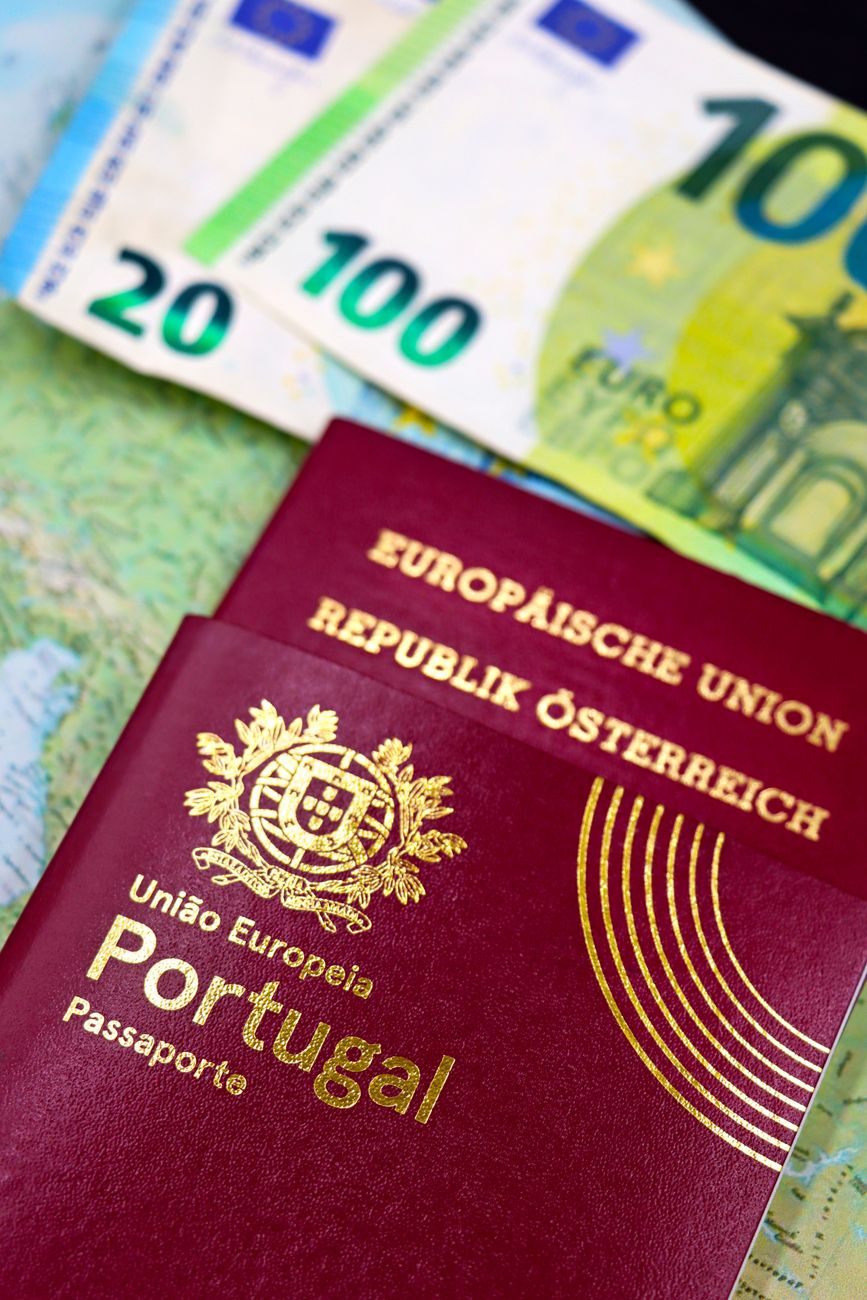
A federal judge ordered the Trump administration to stop its noncitizen voter investigations in nine states, ruling that the government was using error-filled data and intimidating voters and election workers. US District Court Judge Araceli Martínez-Olguín in Oakland issued the ruling on Wednesday, October 22, 2026, and said the investigations must stay on hold until polls close on November 3.
What the judge found
The investigation — called the "Unlawful Voter Initiative" — targeted naturalized citizens (people who became US citizens through the legal naturalization process) to check whether they had voted before they were naturalized. Investigators used voter lists pulled from state and local governments and commercial data sources. Judge Martínez-Olguín called those lists "voluminous and unreliable." She noted there is no federal database that tracks citizenship status, making errors almost unavoidable. During a "surge" phase that started in late August, agents were ordered to review each flagged person in no more than 12 minutes — a pace the judge said made the risk of error even worse.
Immigration Deadlines 2026 — Free
Download PDF with all key dates
The lawsuit was filed by the California Nurses Association, National Nurses United, the Voto Latino Foundation, and San Francisco and Santa Clara counties. Their lawyer, Beau Tremitiere, said DHS "built its lists on bad data, never checked how often it was wrong, and recklessly sent agents to people's homes weeks before an election." The ruling covers California, Connecticut, Georgia, Missouri, Nevada, New York, Pennsylvania, Washington, and Wisconsin. The judge put her order on hold briefly to give the administration time to appeal.
Details of the initiative became public last month after Senators Chuck Schumer and Alex Padilla released a whistleblower report. The Department of Homeland Security responded by saying it was focused on "removing aliens who vote" and added it had "no plans to question or investigate people we believe to be US citizens." The Department of Justice had also sued 30 states that refused to hand over voter roll data — and lost every one of those cases.
What to do
- If you are a naturalized citizen and federal agents contacted you or came to your home as part of this investigation, write down exactly what happened — dates, what was said, and any documents you received — and share that record with an immigration attorney.
- You have the right to remain silent and the right to speak with a lawyer before answering government questions. You do not have to let agents into your home without a warrant signed by a judge.
- If you feel your right to vote or your ability to work as a poll monitor has been affected by this investigation, contact the organizations named in the lawsuit — the California Nurses Association or Voto Latino Foundation — as they may be able to help.
- Follow USCIS and court news closely: the administration may appeal this ruling before November 3, which could change what happens next.
A full breakdown of this topic — in our guide “Appealing to the BIA”.

Fishkin Law Firm, New York
Naturalized citizens who were contacted by investigators under the Unlawful Voter Initiative should treat that contact seriously, even if they did nothing wrong. You have a Fifth Amendment right to remain silent and a Fourth Amendment right against unreasonable searches — use both. If agents return to your home, ask to see a judicial warrant before letting them in, and call an immigration attorney immediately to document the encounter and protect your record.
Frequently Asked Questions
I am a naturalized US citizen. Can the government investigate whether I voted illegally?
Technically yes, but Judge Martínez-Olguín found the current investigation used unreliable data and gave agents as little as 12 minutes per person to decide — a process she called deeply flawed. If you were contacted, you have the right to remain silent and to speak with a lawyer before answering any questions.
Which states does this court order cover?
The ruling applies to California, Connecticut, Georgia, Missouri, Nevada, New York, Pennsylvania, Washington, and Wisconsin. If you live in another state, this specific order does not protect you, though similar legal challenges may be filed elsewhere.
Can the Trump administration appeal this ruling and restart the investigations?
Yes. Judge Martínez-Olguín paused her own order briefly to give the administration time to appeal. If a higher court sides with the government, the investigations could resume before Election Day on November 3. Watch for updates from federal courts in the coming days.
Does being investigated affect my naturalized citizenship or green card?
Being investigated does not automatically affect your status. However, if investigators find evidence of fraud — for example, that you voted before you were legally eligible — that could have serious consequences. An immigration attorney can review your specific situation and advise you on how to respond.