NYC Venezuelan Businesses Demand TPS Restoration After Quakes
You tried calling your family in Venezuela on June 24, 2026 — and the lines were dead. For thousands of Venezuelans in New York City, that silence was the beginning of a weeks-long crisis. Now, their restaurants and catering businesses have become the front line of disaster relief — and a platform to demand the US government restore TPS protections for Venezuelans.
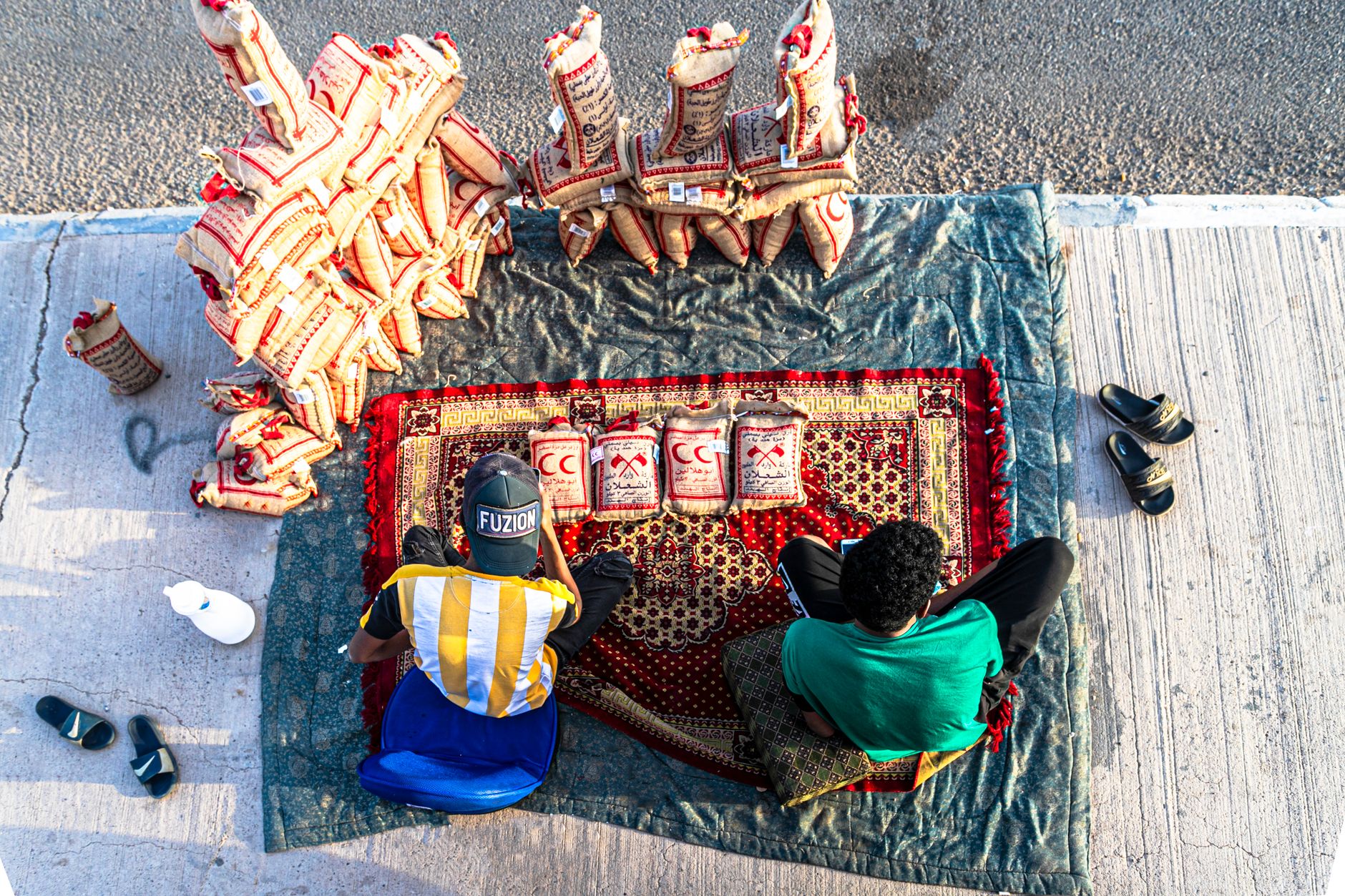
You are Venezuelan. You live in Queens. On June 24, 2026, your phone lights up with WhatsApp messages — two massive earthquakes, magnitudes 7.5 and 7.2, just hit Caracas and the state of La Guaira. You try to call your mother. No answer. The phone lines are down. That is exactly what happened to Marly Quiroga, owner of Arepa La Newyorkina, a Venezuelan catering business in Astoria. Her 93-year-old mother in Caracas needed two people to carry her out of the building during the shaking. Quiroga waited hours before she could reach her family.
Queens restaurants became relief centers overnight
The day after the earthquakes, Quiroga stopped making hallacas and turned her kitchen into a donation hub. Volunteers packed food, baby supplies, clothes, and medicine. The space filled up in two days. Donations then moved to El Budare Café in Queens, then to trucks headed to Miami, and finally to the disaster zones in Venezuela. Nearby, Pedro Alvarado converted his restaurant Kween — also in Astoria — into a collection point. He suspended donations on July 8 to organize and ship everything already collected, as part of a coordinated effort across all five boroughs. "People came from all countries," Alvarado said. "Not just Latinos."
Asylum Checklist — Free
All deadlines and documents for US asylum
In Brooklyn, Lulla's restaurant became the main receiving hub for donations from collection points across the city. Chef and coordinator Alejandra Ramos said more than 200 volunteers showed up in the first days. Two weeks later, a WhatsApp coordination group had grown to 600 people. A donor offered a warehouse in Brooklyn with space for 600 pallets. As of the article's publication, eight containers — each holding 28 pallets — had already been shipped toward Miami. Each truck to Miami costs at least $9,000. Ramos said monetary donations are now a top priority. Lulla's currently accepts donations on weekends only, and focuses on specific items: medicine, camping gear, solar-powered fans, and clothing.
New York City Mayor Zohran Mamdani visited Lulla's on July 6, 2026, to support the relief effort. In a statement that day, he called on the federal government to restore Temporary Protected Status (TPS) — a program that shields people from deportation and gives them work permits — for Venezuelans living in the US. "We will continue demanding that the federal government redesignate Temporary Protected Status for Venezuela and restore humanitarian protections for Venezuelans living in the United States," Mamdani said. The earthquakes have killed nearly 5,000 people, injured around 17,000, and displaced 18,000 more, according to Venezuelan government figures. Thousands are now living in makeshift camps in schools, stadiums, and on sidewalks.
What to do
- If you want to donate supplies, contact Lulla's in Brooklyn — they accept donations on weekends and need specific items: medicine, camping gear, solar fans, and clothing. You can also send products directly through Amazon.
- If you want to donate money, look for fundraising campaigns by nonprofits Fundave NYC and Aid For Life, which cover shipping costs to Venezuela.
- If you are Venezuelan and currently in the US without status or with expired TPS, consult an immigration attorney now — Mayor Mamdani and city officials are publicly pushing for TPS redesignation, which could affect your options.
- If you need volunteers in Brooklyn, Lulla's coordinates shifts through a WhatsApp group — reach out to the restaurant directly to join.
A full breakdown of this topic — in our guide “Preparing for Your Asylum Interview”.
Fishkin Law Firm, New York
If TPS for Venezuela is redesignated, Venezuelans who are already in the US and meet the eligibility requirements — including a continuous presence requirement set at the time of redesignation — may be able to apply for protection and a work permit (Form I-765, the Employment Authorization Document). Do not wait for an official announcement to gather your documents: proof of Venezuelan nationality, proof of continuous US residence, and any prior immigration filings. A redesignation does not automatically protect you — you must file. Consult an immigration attorney as soon as a redesignation is announced to avoid missing the registration window.
Frequently Asked Questions
What is TPS and how would it help Venezuelans in the US?
TPS stands for Temporary Protected Status. It is a federal program that protects people from deportation when their home country faces a disaster, armed conflict, or other crisis. If the US government redesignates TPS for Venezuela, eligible Venezuelans already living in the US could apply to stay legally and get a work permit. It does not lead directly to a green card, but it does stop removal proceedings while it is active.
Can I donate to Venezuela earthquake relief from outside New York City?
Yes. Nonprofits Fundave NYC and Aid For Life are accepting monetary donations online to cover shipping costs. You can also send specific supplies — medicine, camping gear, solar fans, clothing — directly through Amazon to Lulla's address in Brooklyn. Check the organizations' websites for current wishlists and shipping addresses.
What happened to TPS for Venezuela — was it ever in place?
The US previously designated TPS for Venezuela, which gave eligible Venezuelans protection from deportation and the right to work legally. That protection was later ended. NYC Mayor Zohran Mamdani and other city officials are now publicly calling on the federal government to restore it following the June 2026 earthquakes.
If I am Venezuelan and in removal proceedings, does the earthquake change anything for my case?
Not automatically. A natural disaster in your home country does not pause or cancel removal proceedings on its own. However, it may strengthen certain legal arguments — for example, in an asylum case or a request for a continuance. Lawyers recommend telling your attorney about the situation in Venezuela immediately, as it could be relevant to your case strategy.