Supreme Court Ruling Threatens TPS for 500,000+ Immigrants
In one day, the Supreme Court issued two rulings that could reshape immigration in the US for years. One makes it legal to physically block asylum seekers from even asking for protection at the border. The other could strip Temporary Protected Status — known as TPS — from more than 500,000 immigrants living in the US, some for decades. If you or someone you know has TPS, the clock is now ticking.
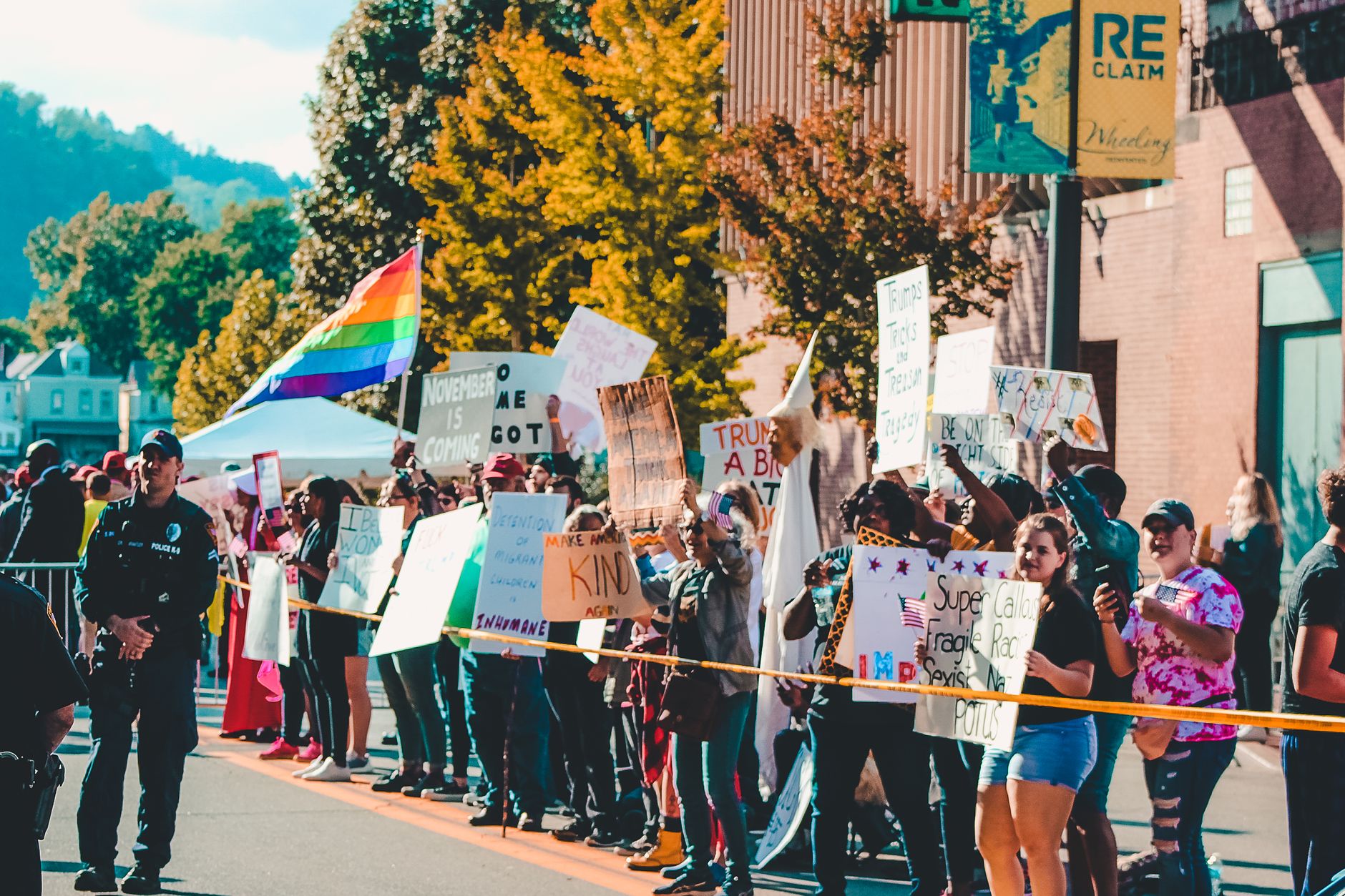
On the same day, the Supreme Court handed down two major rulings on immigration. Together, they give the Trump administration broad new power to block people from seeking protection — both at the border and inside the US. For hundreds of thousands of immigrants living here under Temporary Protected Status (TPS, a program that lets people from dangerous countries stay and work in the US legally), the second ruling may be the most important immigration decision in a generation.
What the TPS ruling actually says
The case, Mullin v. Doe, challenged the Trump administration's decision to end TPS for Haiti and Syria. Lower courts had blocked those terminations while lawsuits moved forward. The Supreme Court, in a majority opinion written by Justice Samuel Alito, said the Trump administration can move forward with stripping TPS while courts decide whether it acted lawfully. But the ruling goes further than that. It says TPS holders generally cannot sue the government for breaking federal law when it ends their status — they can only sue if the government violated the US Constitution. That is a much higher bar. The TPS holders in this case argued that the Trump administration was motivated by racial bias against non-European immigrants, which would violate the Constitution's equal protection guarantee. The Court rejected that argument, saying that because the administration was terminating TPS for everyone — not just one racial group — it was not a race-based policy.
Immigration Deadlines 2026 — Free
Download PDF with all key dates
New evidence had just come to light in the lower-court case showing that Trump political appointees overruled career government officials who warned that Haiti was still not safe to return to. Federal law requires TPS decisions to be based on conditions in the country. The Supreme Court essentially said that even if the administration broke that law, TPS holders have no legal remedy — unless they can prove a constitutional violation. That makes future lawsuits over TPS terminations for other countries — including El Salvador, with about 170,000 TPS holders whose status comes up in September 2026 — very unlikely to succeed. Courts in other ongoing cases have so far preserved TPS for Burma, Ethiopia, Somalia, South Sudan, and Yemen — a combined 10,000 people — but the new ruling strongly suggests those protections will also fall.
What the border ruling means
The second ruling, in Mullin v. Al Otro Lado, was decided 6–3. It says that asylum seekers waiting in Mexico have not legally "arrived in the United States" and therefore cannot request asylum or inspection at a port of entry. This gives the Trump administration legal cover to physically block people from even approaching a border crossing to ask for protection. Justices Sonia Sotomayor and Ketanji Brown Jackson dissented, arguing that the law allows asylum applications from anyone at the border. The ruling does not directly affect people already inside the US. But it does mean the border will become harder to cross legally — and that people who need protection may feel forced to enter the US without papers, which puts them at greater legal risk.
What to do
- If you have TPS for Haiti or Syria: Your status will end roughly 32 days after the ruling — possibly sooner. Contact an immigration lawyer immediately to find out if you qualify for any other legal status, such as a green card through a family member or employer.
- If you have TPS for El Salvador: Your current grant runs until September 2026. Do not wait. Talk to a lawyer now about your options before the deadline arrives.
- If you have TPS for Burma, Ethiopia, Somalia, South Sudan, or Yemen: Court protections may still be in place for now, but the Supreme Court's ruling makes them fragile. Start planning for the possibility that your TPS ends soon.
- If you are trying to seek asylum at the border: The legal path through a port of entry is now effectively closed. People in this situation should speak with a lawyer or a nonprofit immigration organization before attempting to cross.
What to do, step by step — see our guide “Appealing to the BIA”.

Fishkin Law Firm, New York
TPS holders should immediately consult an immigration attorney to explore any parallel paths to legal status — such as a pending I-130 (family petition) or an employer-sponsored green card — before their TPS expires. The Supreme Court's ruling in Mullin v. Doe means that statutory violations alone will not save TPS in court; only a strong constitutional argument has any chance, and those are very hard to win. Do not assume ongoing litigation will protect you — schedule a consultation now so you understand your specific options before your status lapses.
Frequently Asked Questions
My TPS is for Haiti or Syria. When exactly do I lose my status?
The Supreme Court's ruling goes into effect 32 days after it was issued — unless the government asks for it to happen sooner. After that, TPS for Haiti (about 350,000 people) and Syria (about 6,000 people) ends. Watch for official notices from USCIS and talk to a lawyer right away.
I have TPS for El Salvador. Am I affected right now?
Not immediately. Your current TPS grant runs until September 2026. But the Trump administration is expected to refuse to extend it, and the Supreme Court's ruling makes it very hard to stop that in court. Lawyers strongly recommend you start exploring other options now, not in September.
Can I still apply for asylum if my TPS ends?
If you are already inside the US, you may still be able to apply for asylum — the ruling on asylum seekers at the border does not directly affect people already living here. However, asylum has strict deadlines and requirements. An immigration lawyer can tell you if you are still eligible.
The Supreme Court also ruled on asylum seekers at the border. Does that affect me if I'm already in the US?
No, not directly. That ruling affects people trying to request asylum at a port of entry — like a border crossing — for the first time. If you are already inside the US with a pending case or valid status, that decision does not change your situation today. But it does mean the border will become even harder to cross legally in the future.