Trump's $300M Policing Grants Require Cities to Aid ICE
The Trump administration is offering up to $300 million in federal policing grants to American cities — but the money comes with a condition: cities must actively support ICE immigration enforcement operations. For immigrants living in those cities, that could mean a sharply higher risk of arrest. The Justice Department plans to announce up to four finalist cities next month.
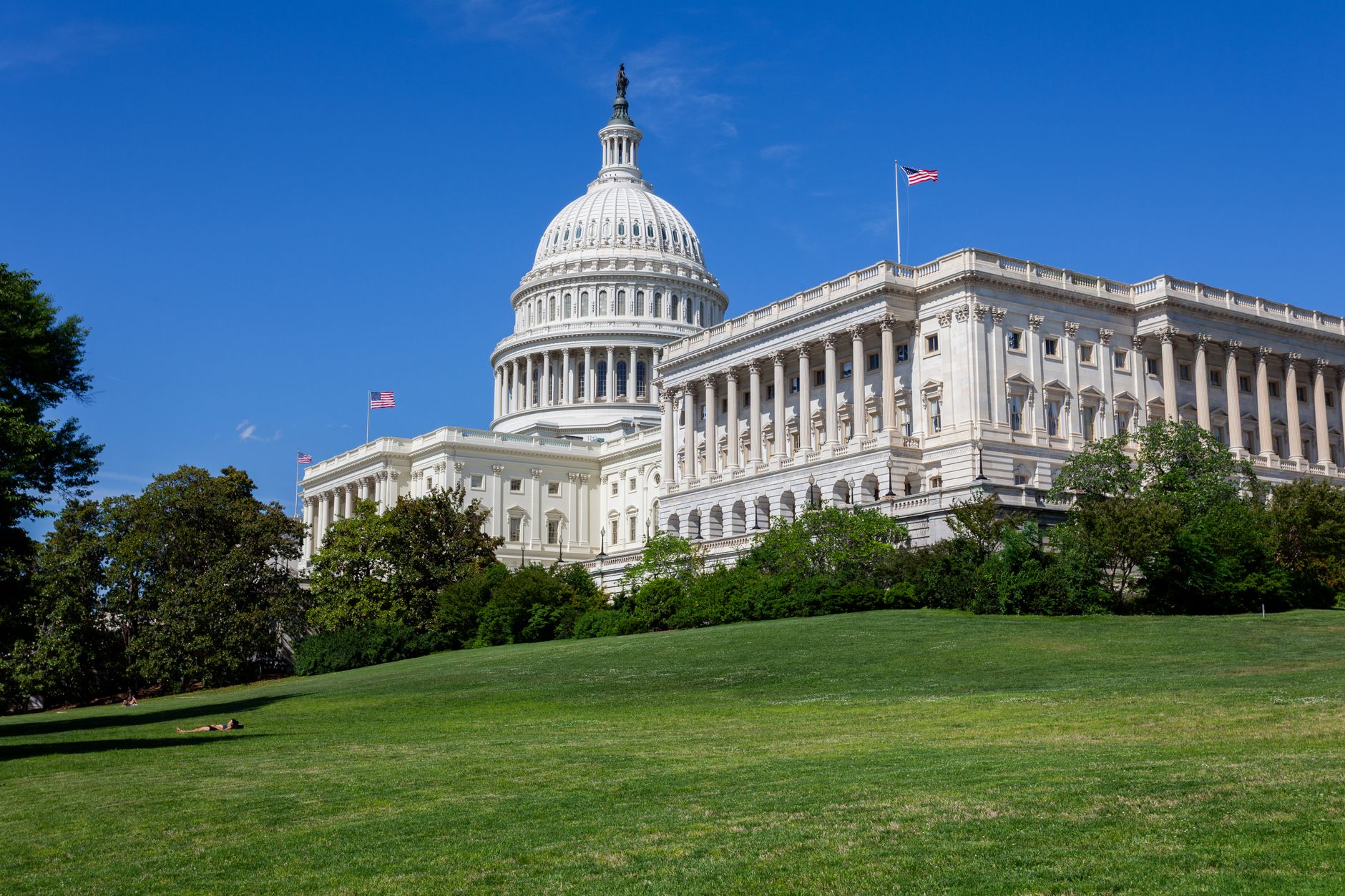
The Justice Department's new Model Cities Initiative (MCI) — funded through Trump's One Big Beautiful Bill Act — will award $300 million split among two to four cities with populations over 100,000. The grants last three years. In exchange, cities must comply with federal immigration enforcement requests, ban urban camping and loitering, and adopt conservative anti-homelessness policies. Cities must also agree to a repayment clause: if violent crime or "civil unrest" surges after the grant, the city must reimburse the federal government for any federal intervention costs.
What the immigration requirement means for you
The grant document explicitly requires participating cities to "directly support immigration law enforcement operations." That means local police in winning cities would be expected to cooperate with ICE — sharing information, honoring detainer requests, and potentially participating in enforcement surges. Washington DC and Memphis, Tennessee — both of which already have National Guard troops patrolling streets — are cited in the grant as models to follow. Memphis has seen four officer-involved deaths since its federal taskforce launched in September 2025.
Immigration Policy Checklist — Free
DACA, TPS, Executive Orders: what to monitor
Several Democratic-majority cities have already rejected the grant. The Billings, Montana city council voted 9-1 against applying. San Bernardino, California pulled the vote from its agenda after public outcry. Montgomery, Alabama's mayor Steven Reed said he reviewed the grant and declined to apply. Amy Solomon, a senior fellow at the Council on Criminal Justice and former assistant attorney general under Biden, called the repayment clause "unprecedented" — saying it forces cities to pre-emptively agree to pay for unspecified future federal actions on their own streets.
What to do
- Find out if your city has applied or is considering applying for the MCI grant — check your city council's public meeting agendas or local news.
- If your city joins the program, expect increased ICE cooperation from local police. Avoid interactions with law enforcement where possible and know your right to remain silent if stopped.
- If you are undocumented or have a pending immigration case, talk to an immigration lawyer now — before enforcement activity increases in your area.
- If you witness or experience an ICE arrest, document what happened (time, location, badge numbers if visible) and contact a local immigration legal aid organization immediately.
A full breakdown of this topic — in our guide “Your Rights During an ICE Encounter”.

Fishkin Law Firm, New York
If your city accepts MCI funding, local police will be legally obligated to honor ICE detainer requests — meaning a routine traffic stop could trigger an immigration hold. Anyone with a pending removal order, expired visa, or prior deportation should immediately consult an immigration attorney to review their options, including voluntary departure or filing a motion to reopen their case. Do not wait for enforcement to reach your neighborhood before getting legal advice.
Frequently Asked Questions
Does this grant mean ICE will automatically start arresting people in my city?
Not automatically. The grant requires cities to support ICE operations, but cities must first apply and be selected. Only two to four cities will receive funding. Check whether your city has applied before assuming your local police will change their practices.
Can local police arrest me for immigration violations under this program?
Local police generally cannot enforce federal immigration law on their own. But under this grant, they are required to cooperate with ICE — which means they may hold you after an arrest and notify ICE, or participate in joint enforcement operations.
What are my rights if local police stop me in a city that joined this program?
You have the right to remain silent. You do not have to answer questions about your immigration status. If you are detained, you have the right to speak with an attorney. Do not sign any documents without legal advice.
My city rejected the grant. Am I safe from ICE enforcement?
Rejecting the MCI grant does not stop ICE from operating in your city. ICE conducts independent enforcement operations nationwide. However, local police in non-participating cities are not required to cooperate with ICE detainer requests.