UN Warns US Third-Country Deportations Risk Lives
Twenty-four UN human rights experts have formally declared that US deportations of asylum seekers to 35 third countries are causing real, documented harm — not hypothetical risk. Deals struck since 2025 have sent over 5,000 people by air to Africa, Latin America, the Caribbean, and Central Asia, often to conflict zones where they have no connections. The UN panel warns the consequences can be deadly, and has called on the US and all partner governments to stop immediately.
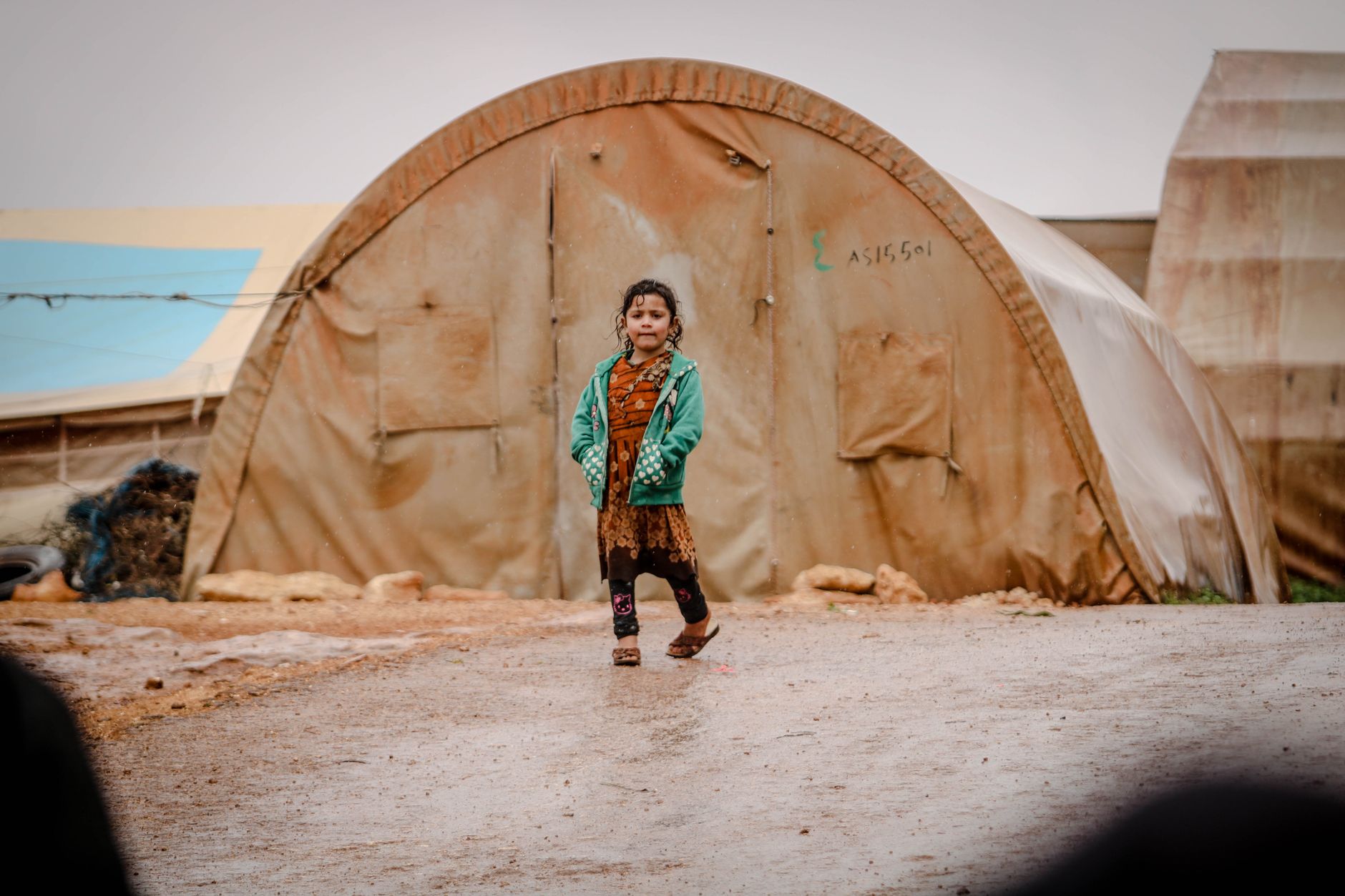
Twenty-four UN human rights experts have formally warned that the US policy of deporting migrants — including asylum seekers and refugees — to countries where they have no ties is triggering a "cascade of human rights violations" with potentially deadly consequences. The joint statement, backed by a special rapporteur for the African Commission, was sent to the US government and all 35 countries that have signed deals to accept deportees.
What the US is doing — and why it matters for asylum seekers
Since early 2025, the US government has paid foreign governments millions of dollars to accept migrants expelled from the US. About 20,000 people have been bused to Mexico, according to Refugees International and Human Rights First. More than 5,000 others have been flown to countries in Africa, Latin America, the Caribbean, and Central Asia. Nearly a third of the 35 partner countries are in Africa, and several are currently experiencing armed conflict.
Asylum Checklist — Free
All deadlines and documents for US asylum
US law bars the government from sending people back to countries where they face persecution — a protection known as "withholding of removal." But the Department of Homeland Security has been routing deportees through third countries first. From there, people are often transferred onward to the very home countries they fled. Human rights lawyers say this approach lets the administration sidestep its legal obligations. The UN experts' statement cited documented cases: an Iranian woman who had protested against her government and sought safety in the US, and a gay man who fled Ghana after being outed and hunted by family members. Two men expelled to Equatorial Guinea were reportedly bound, hooded, beaten, and pushed down a flight of stairs, according to the Global Strategic Litigation Council, which has represented people in these cases.
"What is at stake is not merely migration policy, but the lives, safety, dignity and rights of people who may already have endured grave harm," the experts wrote. Beatrice Njeri of the Global Strategic Litigation Council called the statement "the first comprehensive" of its kind and said she hoped it would help hold participating states accountable after litigation and advocacy had largely gone unheard.
What to do
- If you have a pending asylum application (Form I-589) or are in removal proceedings, tell your attorney immediately if you receive any notice about transfer to a third country — you may have the right to challenge it in immigration court.
- If you have already been deported to a third country and face danger there, contact a human rights organization such as the Global Strategic Litigation Council or the UN High Commissioner for Refugees (UNHCR) for emergency legal help.
- Document everything: keep copies of your asylum application, court notices, and any communication from DHS or ICE. This paperwork is critical if you need to prove your case later.
- If you are currently in the US and fear deportation, consult an immigration lawyer about whether a stay of removal or other legal protection applies to your situation.
A full breakdown of this topic — in our guide “Preparing for Your Asylum Interview”.

Fishkin Law Firm, New York
The third-country deportation route is legally vulnerable precisely because US law — specifically the withholding-of-removal standard under the Immigration and Nationality Act — prohibits sending someone to a country where they face a clear probability of persecution, regardless of whether that country is their home country. If you receive any DHS notice about transfer to a third country, you have the right to raise this claim before an immigration judge before removal is carried out. Courts have issued injunctions blocking individual transfers in similar cases, so timing matters — do not wait to seek counsel.
Frequently Asked Questions
Can the US legally deport me to a country I have never lived in?
US law bars deportation to a country where you face persecution (called "withholding of removal"), but the government has been routing people through third countries first. Human rights lawyers argue this violates US legal obligations, and courts have blocked some individual transfers. If you face this situation, challenge it in immigration court before removal happens.
I have a pending asylum application. Does this UN statement change my case?
Not directly — UN statements are not binding on US courts. But the documented evidence of harm in these cases can support arguments in your own removal proceedings. Share any relevant news or documentation with your attorney so they can use it to strengthen your case.
What if I was already deported to a third country and I am in danger there?
Contact UNHCR (the UN refugee agency) or a human rights legal organization like the Global Strategic Litigation Council as soon as possible. Some organizations are actively litigating on behalf of people in exactly this situation and may be able to seek emergency legal relief.
Which countries have signed deals with the US to accept deportees?
The US has struck agreements with 35 countries, nearly a third of them in Africa, plus nations in Latin America, the Caribbean, and Central Asia. The UN experts have contacted all 35 governments to demand a halt to the policy.