Non-Citizen Voting: Deportation Consequences
Can a non-citizen vote in US elections? Learn the deportation risks, federal laws, and what to do if you voted by mistake.
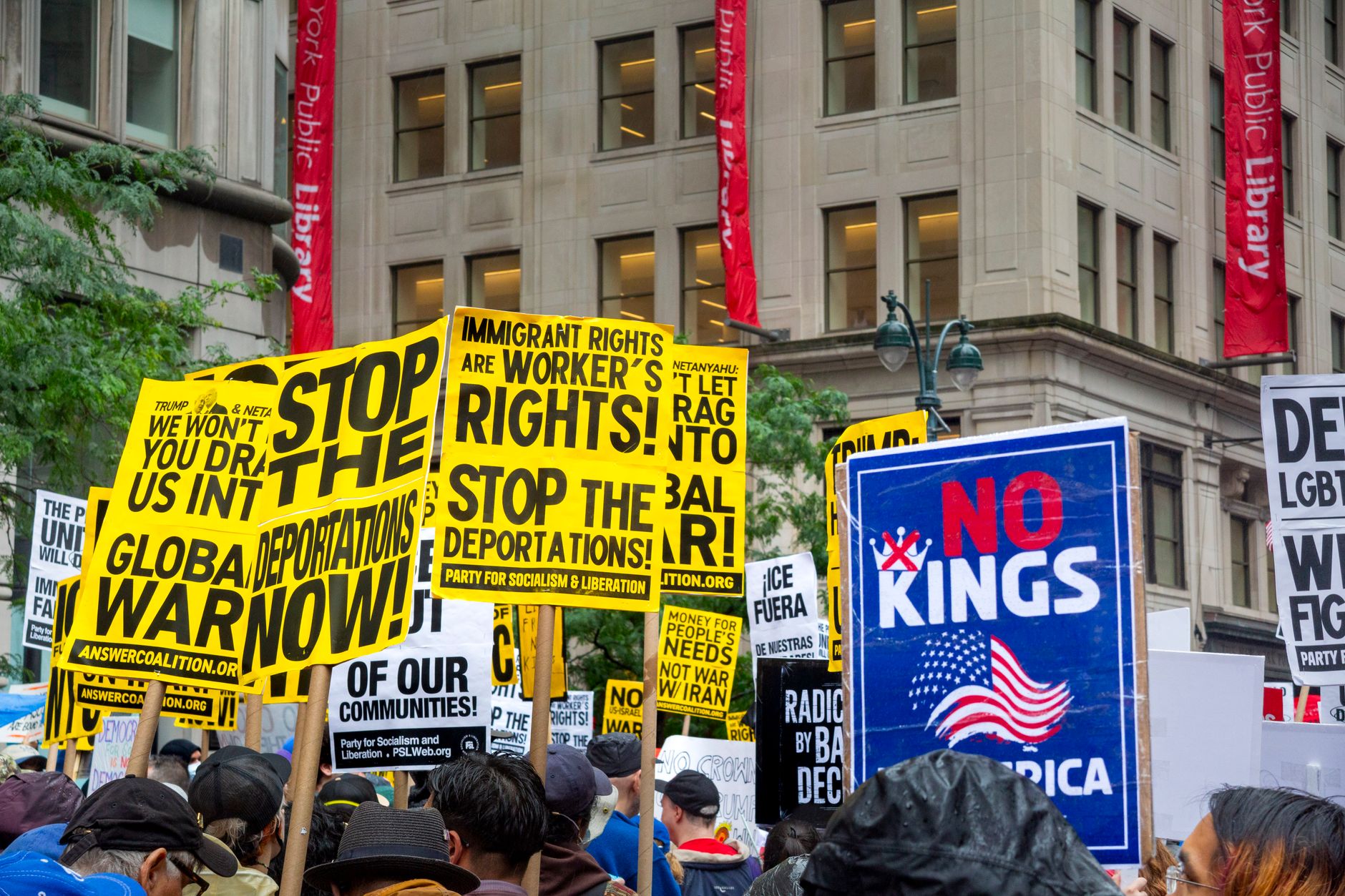
Voting as a non-citizen in a US federal election is a federal crime and a deportation ground. Under INA §237(a)(6), any non-citizen — including green card holders — who votes in violation of any federal, state, or local law is deportable. Even a single vote can trigger deportation proceedings. Consult an immigration attorney immediately if this applies to you — check uscis.gov for official guidance.
Quick Answer
Non-citizens are prohibited from voting in US federal elections. Doing so is both a federal crime under 18 U.S.C. §611 and a deportation ground under INA §237(a)(6). This applies to lawful permanent residents (green card holders), visa holders, DACA recipients, and undocumented immigrants alike. There is no "accidental vote" exception in the statute.
Deportation Defense Checklist — Free
Immigrant rights, appeals and protective measures
Who Is at Risk and When the Law Applies
The prohibition covers all non-US citizens, regardless of immigration status. Specifically:
- Lawful Permanent Residents (LPRs): A green card does not grant the right to vote in federal elections. Voting can cost you your LPR status and derail a future naturalization application.
- Visa holders (F-1, H-1B, etc.): Voting may result in visa revocation, a bar on future admissions, and deportation.
- DACA recipients: Voting can terminate DACA protection and expose recipients to removal proceedings.
- Undocumented immigrants: Face the highest immediate risk — arrest, ускоренная expedited removal, and a permanent bar to re-entry.
State and local elections vary — a small number of municipalities allow non-citizen voting in local races only. Always confirm the rules for your specific jurisdiction before registering or casting a ballot.
Steps to Take If You Voted as a Non-Citizen
- Stop and do not vote again. A repeated violation compounds criminal and immigration exposure significantly.
- Do not make any statements to authorities without speaking to an attorney first. Anything you say can be used in both criminal and immigration proceedings.
- Contact an immigration attorney immediately. Time is critical. Ilya Fishkin, immigration attorney can assess your specific exposure and advise on available defenses.
- Gather all relevant documents. Collect your immigration records, any voter registration materials you received, and proof of your current status.
- Assess potential defenses. Courts have recognized limited defenses — for example, if election officials incorrectly registered you or if you had a good-faith belief you were eligible. An attorney can evaluate whether these apply.
- If deportation proceedings are initiated, explore options such as cancellation of removal (отмена депортации), voluntary departure (up to 120 days under INA §240B), or other forms of relief with your attorney.
What the Law Says
Two primary legal provisions govern this issue:
- 18 U.S.C. §611 — Federal criminal statute making it unlawful for any alien to vote in a federal election. Penalties include fines and up to one year in federal prison.
- INA §237(a)(6) — Immigration and Nationality Act provision making any non-citizen who votes in violation of any law deportable. This is a mandatory deportation ground — immigration judges have extremely limited discretion to waive it.
- INA §212(a)(10)(D) — Renders a non-citizen who has voted inadmissible, creating a bar to future visas, green cards, and re-entry into the US.
Additionally, false claims to US citizenship made to register or vote — even on a voter registration form — trigger a permanent bar to virtually all immigration benefits under INA §212(a)(6)(C)(ii). This is separate from, and potentially more severe than, the voting violation itself.
For official agency guidance, refer to the Department of Justice (DOJ), which prosecutes non-citizen voting cases under federal law.
Immigration attorney Ilya Fishkin advises non-citizens facing these issues to seek legal counsel before any interaction with federal authorities, given the interplay between criminal prosecution and immigration consequences.
How to Protect Yourself Going Forward
- Do not register to vote unless you are a US citizen — registration itself may constitute a false claim to citizenship.
- If you receive an unsolicited voter registration card in the mail, do not use it — contact your state election office to correct the records.
- If you are pursuing naturalization, be aware that USCIS reviews past voting history as part of the N-400 application process.
- Verify your eligibility for any local election before participating — confirm with a licensed immigration attorney if you are unsure.
This material is for informational purposes only and does not constitute legal advice.
Frequently Asked Questions
can a green card holder be deported for voting
Yes. Lawful permanent residents (green card holders) are non-citizens and are explicitly covered by INA §237(a)(6). Voting in a federal — or in many cases state — election is a mandatory deportation ground. It can also permanently bar a future naturalization application under the N-400 process.
what happens if i accidentally registered to vote as a non-citizen
Registering to vote as a non-citizen can constitute a false claim to US citizenship under INA §212(a)(6)(C)(ii), which carries a permanent bar to most immigration benefits — even if you never actually cast a ballot. Contact an immigration attorney immediately and do not submit any voter registration form or cast any ballot.
can non-citizen voting affect naturalization application
Yes, significantly. USCIS reviews voting history during the N-400 naturalization process. A prior vote as a non-citizen can result in denial of naturalization, initiation of deportation proceedings, and a permanent inadmissibility finding. Disclose all relevant history to your attorney before filing.
is non-citizen voting a felony in the US
Under 18 U.S.C. §611, non-citizen voting in a federal election is a federal criminal offense. While it is classified as a misdemeanor at the federal level (up to one year in prison), some states impose felony-level penalties under their own election laws. A criminal conviction compounds the immigration consequences significantly.