Green Card Holders Charged for Voting in Florida Elections
You have a green card and have lived in the US for years — but if you ever registered to vote or cast a ballot, you could now face felony charges and potential deportation. Florida prosecutors, with help from USCIS, charged 16 lawful permanent residents with illegally voting in US elections, announcing the cases on September 29, 2026. Some defendants had been voting for decades without realizing the legal consequences.
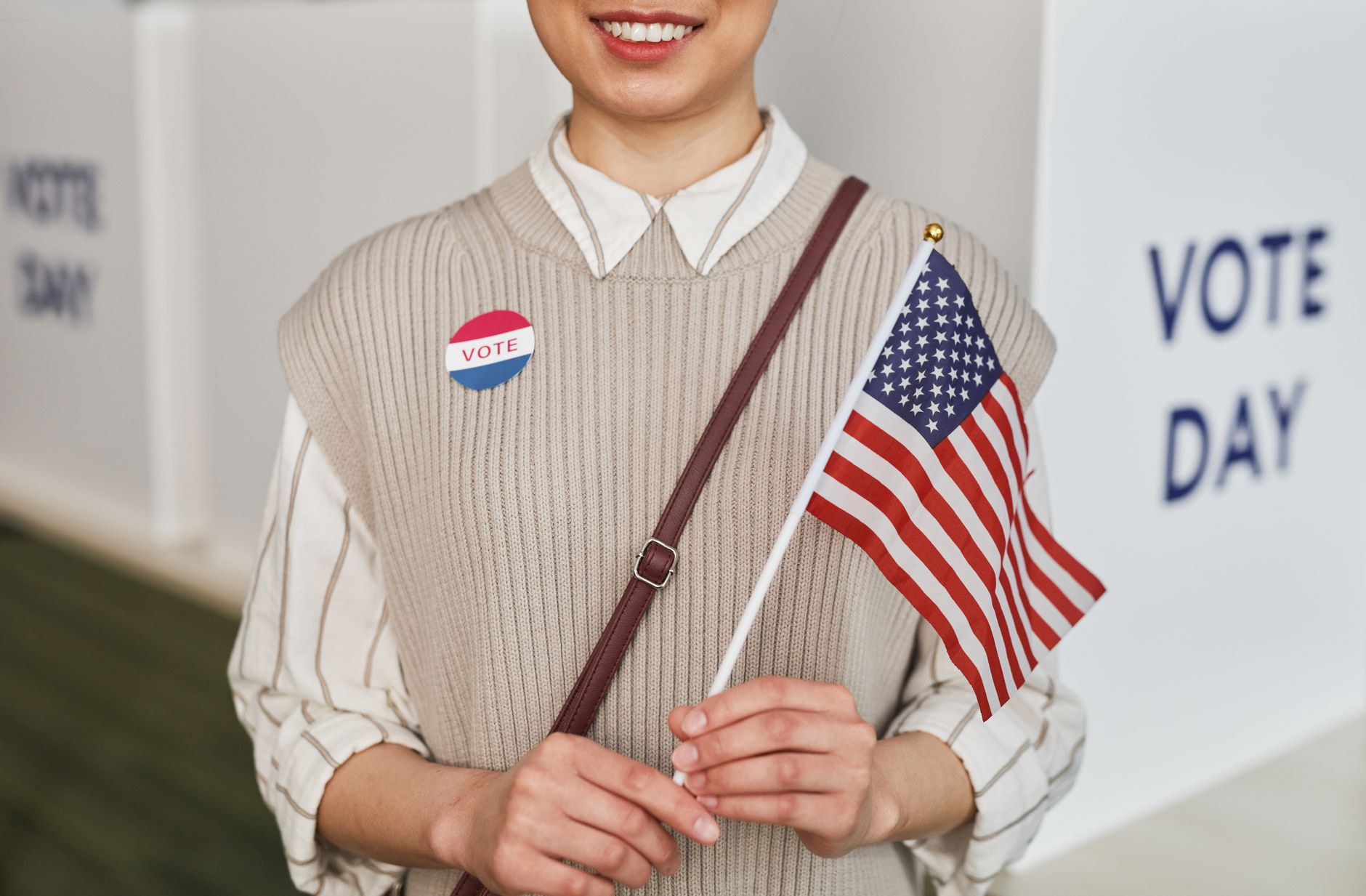
You have a green card. You pay taxes. You've lived here for years — maybe decades. But on September 29, 2026, Florida's Office of the Attorney General announced felony charges against 16 lawful permanent residents (green card holders) accused of registering to vote and casting ballots in US elections. USCIS confirmed it provided direct assistance to the investigation by verifying each person's immigration status through federal databases.
Who Was Charged and What They Face
The 16 defendants come from countries including Mexico, Jamaica, Chile, the Bahamas, the United Kingdom, Indonesia, Canada, and others. Several had been voting for years — one Canadian permanent resident, Giorgio Dominique Mucelli of Melbourne, is charged with voting in seven general elections between 2004 and 2024. Another defendant, Selvin Uton Whilby of Tampa, has been a lawful permanent resident since 1989 and allegedly voted by mail in multiple elections going back to 2008. Each charged offense is a third-degree felony under Florida law. Most defendants face up to 10 years in the Florida Department of Corrections if convicted. One defendant, James Mark Hollingsworth, faces up to 20 years because he faces multiple counts. Florida law enforcement had already arrested multiple defendants at the time of the announcement, and prosecutors said additional charges and arrests are expected as the investigation continues.
Green Card Checklist — Free
All paths to permanent residence
How the Investigation Started
The cases began when the Florida Department of State Office of Election Crimes and county election supervisors flagged registered voters who appeared not to be US citizens. The Florida Department of Law Enforcement then gathered voter registration applications, poll book signatures, and vote-by-mail records. USCIS confirmed the immigration status of each individual. Several defendants later signed Citizenship Acknowledgement Forms admitting they are not US citizens — those admissions became part of the evidence against them. The cases span nine Florida counties: Brevard, Collier, Columbia, DeSoto, Hillsborough, Lee, Marion, Okeechobee, and Polk.
What This Means for Your Green Card
A felony conviction for unlawful voting can trigger removal proceedings — the formal process that can lead to deportation. Even without a conviction, being charged with a crime that involves false claims of US citizenship is a serious immigration issue. Green card holders are not US citizens and are not allowed to vote in federal or state elections. Registering to vote — even if you never actually cast a ballot — can also be a problem if you falsely claimed citizenship on the registration form. USCIS has access to voter registration databases and can cross-check them against immigration records.
What to Do
- If you are a green card holder and you have ever registered to vote or voted in any US election, speak with an immigration attorney before taking any other steps. Do not sign any government forms or acknowledgement letters without legal advice.
- If you receive any notice from a county election supervisor, the Florida Department of State, or law enforcement about your voter registration, treat it as urgent and contact an immigration lawyer immediately — this could affect your green card and your ability to naturalize.
- If you want to become a US citizen and gain the legal right to vote, you can apply for naturalization (Form N-400, the application to become a US citizen) once you meet the eligibility requirements, including the required years as a permanent resident.
- To report suspected immigration fraud to USCIS, use the official USCIS Tip Form at uscis.gov.
A full breakdown of this topic — in our guide “Consular Processing”.

Fishkin Law Firm, New York
Voting as a non-citizen — even unintentionally — is one of the most damaging acts for a green card holder's immigration future. Under federal law, a false claim of US citizenship on a voter registration form can make you permanently inadmissible and deportable, regardless of how long you've held your green card. If you've already signed a Citizenship Acknowledgement Form or received any notice from election authorities, you need an immigration attorney to assess your exposure before prosecutors or USCIS take further action.
Frequently Asked Questions
Can a green card holder vote in US elections?
No. Only US citizens can vote in federal and state elections. Green card holders — lawful permanent residents — are not allowed to register or vote. Doing so can result in felony charges, deportation, and a permanent bar from obtaining US citizenship.
What happens to my green card if I am charged with illegal voting?
A charge or conviction for unlawful voting — especially if it involved falsely claiming US citizenship — can trigger removal proceedings. Immigration courts can order deportation even for long-term permanent residents. The outcome depends on the specific charges and your immigration history, so legal representation is critical.
I registered to vote years ago but never actually voted. Am I still at risk?
Possibly. If you falsely claimed US citizenship on a voter registration form, that false claim itself is a legal problem under both Florida law and federal immigration law — even if you never cast a ballot. Talk to an immigration attorney to understand your specific situation.
How did USCIS find out who voted illegally?
In this case, Florida election officials flagged registered voters who appeared not to be US citizens. USCIS then confirmed each person's immigration status using federal databases. USCIS has access to immigration records and can cross-reference them with voter rolls when requested by law enforcement.