Obse v. Collins: What This Ruling Means for Asylum Seekers
You filed for asylum, your case was denied, and now you're not sure what comes next. In July 2026, a federal court issued its decision in Obse v. Collins — a ruling that could change how courts review asylum denials. If you are in removal proceedings or already received a denial, this case may open new legal options.
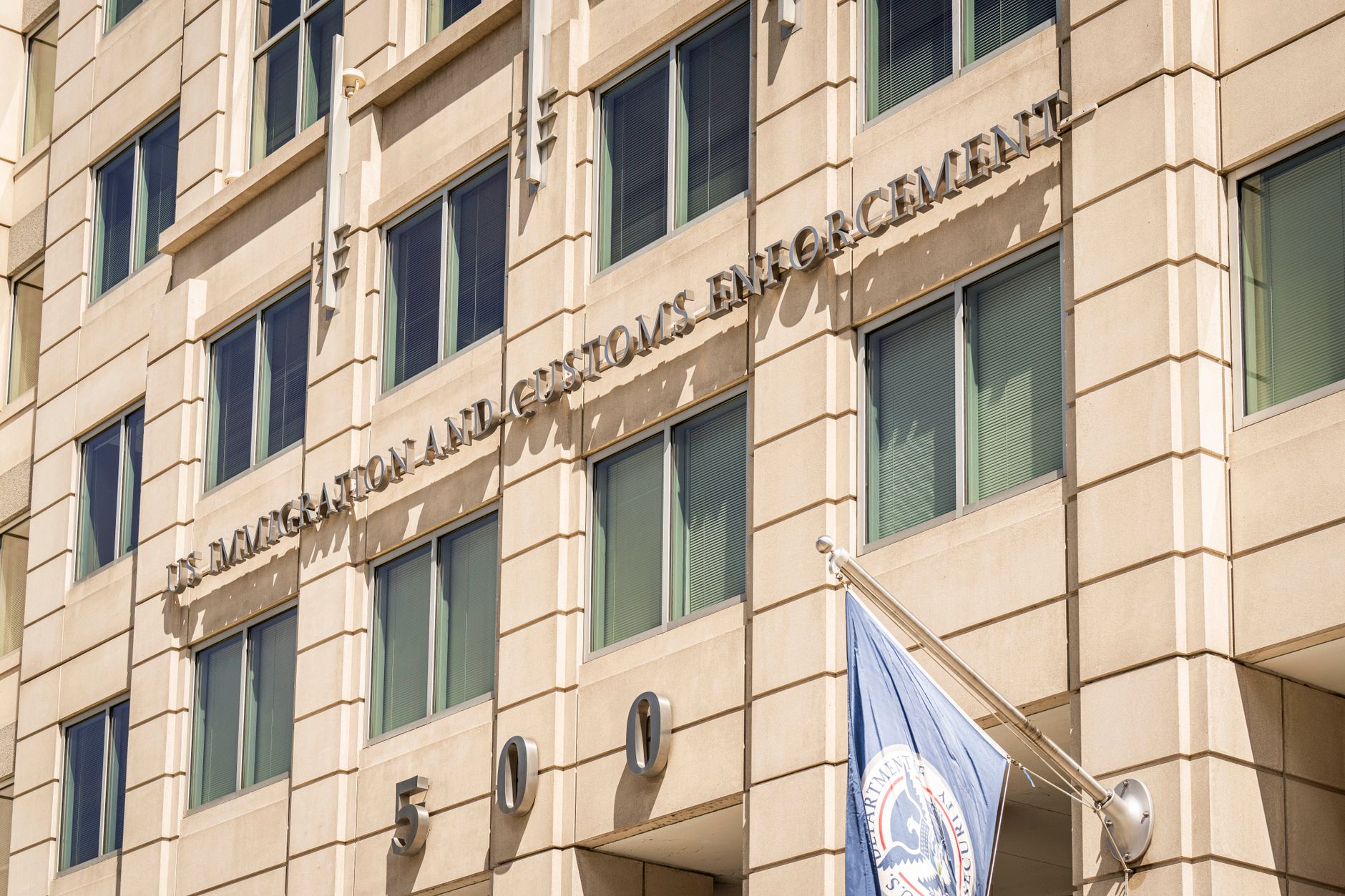
You filed your asylum application, waited months for a hearing, and then received a denial you didn't expect. Now you're wondering whether any court has ever pushed back on decisions like yours — and whether you have any options left. In July 2026, a federal court issued its ruling in Obse v. Collins, a case that may affect how immigration judges and federal courts review asylum claims going forward.
What Happened in Obse v. Collins
The court issued its decision in Obse v. Collins in July 2026. The case centered on an asylum seeker whose claim had been denied at the immigration court level. The ruling addressed how courts must evaluate the evidence and legal standards applied in asylum proceedings — a question that directly affects thousands of people currently in removal proceedings (the formal legal process where the government tries to deport someone).
Immigration Deadlines 2026 — Free
Download PDF with all key dates
Decisions like this one matter because they set a precedent — a legal standard that other courts are expected to follow. If an immigration judge or the Board of Immigration Appeals (BIA) denied your asylum claim using a flawed legal standard, a ruling like Obse v. Collins could give your attorney grounds to reopen or appeal your case. The asylum application process (filed on Form I-589, which carries no filing fee) is only the beginning — what happens in court often determines the outcome.
Why This Matters for Your Case
If you are currently in removal proceedings or received a denial from an immigration judge or the BIA, this ruling is worth discussing with a lawyer. Court decisions in asylum cases can create new legal arguments that did not exist before. They can also affect whether a federal appeals court will agree to hear your case. Lawyers who handle deportation defense regularly monitor new rulings to find grounds for appeal or reopening a case.
What to Do
- If your asylum case was denied, ask an immigration attorney to review whether Obse v. Collins applies to your situation — especially if your denial involved questions about how evidence was weighed.
- Check your deadlines. Appeals to the BIA must generally be filed within 30 days of an immigration judge's decision. Missing this window can close off your options.
- If you have not yet filed Form I-589 (the asylum application), know that the filing fee is $0 — there is no cost to apply.
- Do not miss any scheduled immigration court hearings. Missing a hearing can result in an automatic removal order issued in your absence.
Related: our step-by-step guide — “Immigration Court Rulings”.

Fishkin Law Firm, New York
When a federal court issues a new precedent in an asylum case, it can retroactively strengthen arguments in cases that were denied under a stricter or incorrect standard. If your I-589 was denied and you are still within the appeal window — or if you can show changed circumstances — an attorney may be able to file a motion to reopen or a petition for review in federal circuit court. Do not assume a denial is final without having an attorney review the specific legal grounds the judge used. Consult an immigration lawyer who handles removal defense before any deadlines pass.
Frequently Asked Questions
What is Obse v. Collins about?
It is a federal court case decided in July 2026 involving an asylum seeker whose claim was denied. The court's ruling addressed the legal standards immigration judges must use when evaluating asylum cases.
Can this ruling help me if my asylum case was already denied?
It may. If the legal standard used in your case matches what the court addressed in Obse v. Collins, an attorney might be able to file an appeal or a motion to reopen your case. You need to act quickly because appeal deadlines are strict — usually 30 days from the immigration judge's decision.
How much does it cost to file an asylum application (Form I-589)?
Filing Form I-589 costs $0. The asylum application has had no filing fee since April 2024.
What happens if I miss my immigration court hearing?
If you miss a scheduled hearing, the immigration judge can issue a removal order in your absence. This is called an in absentia order. It is very difficult to undo. Always attend your hearings, even if you do not yet have a lawyer.