Will immigration policy change after next election — should immigrants wait it out?
Immigration attorney Ilya Fishkin explains whether a new administration will bring relief — and why waiting may not be a strategy.
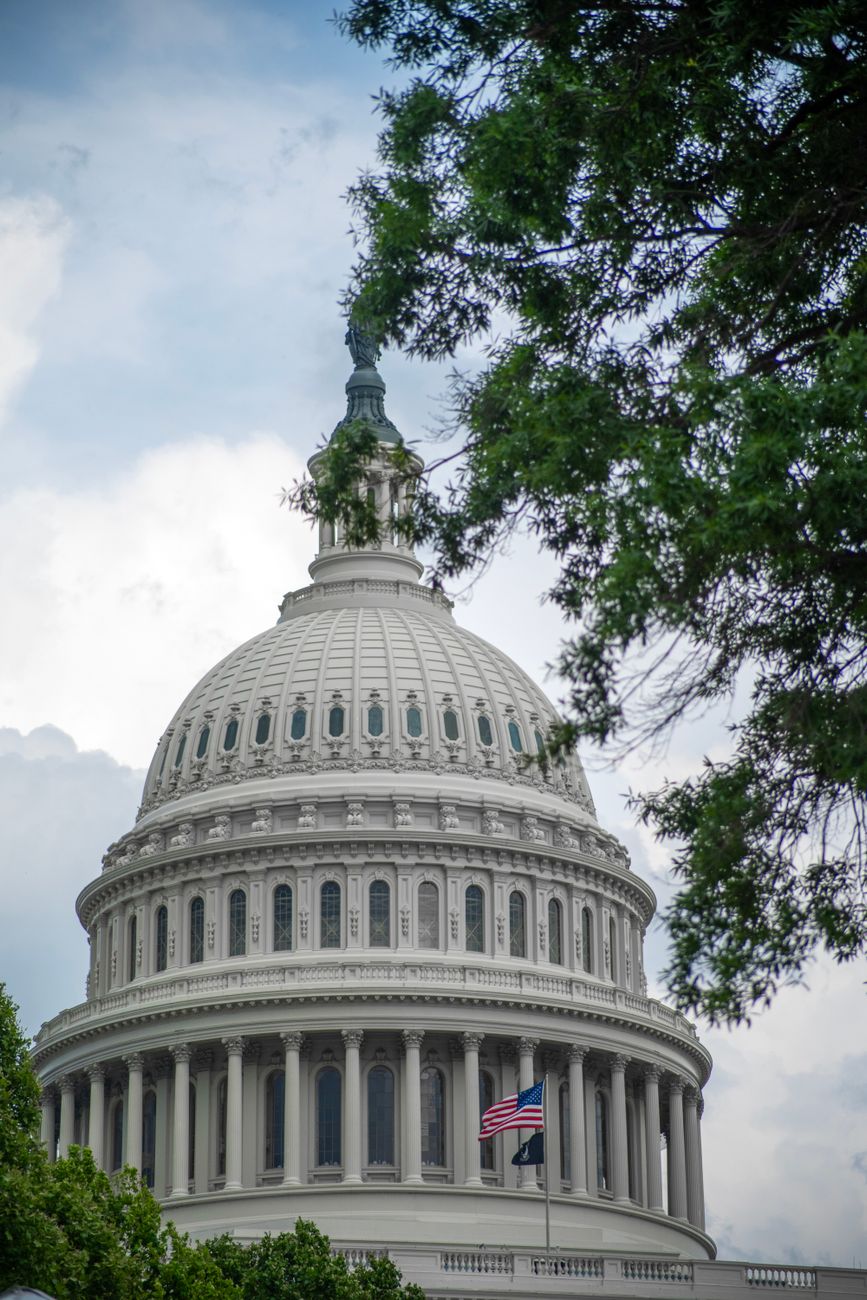
Will Immigration Policy Change After the Next Election — Should Immigrants Wait It Out?
For many immigrants living in the United States, the question feels urgent and deeply personal: if a new administration comes to power, will immigration rules get easier? Is it worth holding on, staying quiet, and hoping that the political winds shift in your favor? Immigration attorney Ilya Fishkin, with over 20 years of experience and a New York Bar license, addresses this question directly — and his answer is more nuanced than many people hope to hear.
What the Attorney Says
According to Fishkin, the pattern of immigration policy swinging back and forth is nothing new. He points to the Obama administration as an early example of how policy shifts began to accelerate — what one administration builds, another can dismantle, and vice versa. This cycle has been repeating, and there is no reason to believe it will stop.
Immigration Policy Checklist — Free
DACA, TPS, Executive Orders: what to monitor
The core of Fishkin's message is this: immigration policies — the rules, priorities, and enforcement practices set by the executive branch — are highly unstable. They can and do change dramatically depending on who occupies the White House. As he puts it, these policies "will keep shifting left and right depending on who comes into office." That means relief that exists today can disappear tomorrow, and restrictions in place now could be loosened after an election — or tightened further.
However, Fishkin draws an important distinction. The one thing that can provide more durable protection is a change in the actual law — legislation passed by Congress. He notes that the only reliable prediction one can make is tied to whether specific laws change. Policies set by an administration are far more vulnerable to reversal than laws enacted through the legislative process. This is a critical difference that many immigrants overlook when they pin their hopes on a new president alone.
What Should You Do?
Because the future of immigration policy is genuinely unpredictable — regardless of which party or candidate you are watching — building your immigration case on the assumption that things will improve in a few years is a risky strategy. Here is what follows from Fishkin's analysis:
Do not wait passively for a political change. If you have an existing legal pathway available to you right now — whether it is an asylum claim, a visa application, or any other form of relief — explore it actively. Policies that exist today may not exist in the same form after the next election cycle.
Understand the difference between policy and law. If you hear that a new administration has changed a rule or a priority, consult an attorney to understand whether that change is based on executive policy (which can be reversed again) or on actual legislation (which is harder to undo).
Consult a qualified immigration attorney about your specific situation. General political trends cannot tell you what options you personally have right now. An attorney can assess your individual case based on current law and policy — not on predictions about the future.
Stay informed, but do not let political news replace legal advice. It is natural to follow election coverage closely when your immigration status feels uncertain. But news headlines about what a candidate promises are not the same as what the law actually allows.
FAQ
Q: If a more favorable administration comes to power, will all immigration restrictions automatically go away? A: Not necessarily, and not automatically. As attorney Fishkin explains, policies shift depending on who is in office — but they can shift back just as quickly. There is no guarantee that any particular relief will be permanent unless it is written into law by Congress.
Q: Has this kind of policy swinging always happened, or is it something new? A: Fishkin traces this pattern back at least to the Obama administration, suggesting it is not a recent phenomenon. The pace and direction of change may vary, but the instability itself has become a consistent feature of U.S. immigration policy.
Q: Is there anything more stable than executive immigration policy? A: According to Fishkin, the most reliable form of change would come through actual changes to immigration law — legislation passed by Congress — rather than through executive policy alone. That is the one area where more durable predictions can be made.
Based on an interview with immigration attorney Ilya Fishkin, NY Bar. This information is for general purposes only and is not legal advice.
Frequently Asked Questions
Will immigration restrictions automatically disappear if a more favorable administration comes to power?
Not necessarily. Immigration policies set by the executive branch are highly unstable and can shift dramatically depending on who occupies the White House, but they can also be reversed again by a future administration. Only changes made through actual legislation passed by Congress provide more durable protection.
What is the key difference between immigration policy and immigration law?
Immigration policies are rules and priorities set by the executive branch and are highly vulnerable to reversal when a new administration takes office. Immigration laws, by contrast, are enacted through Congress and are much harder to undo, making them a more reliable source of protection.
Is it a good strategy to wait for the next election hoping immigration rules will improve?
According to attorney Ilya Fishkin, building your immigration case on the assumption that things will improve after the next election is a risky strategy. If you have an existing legal pathway available right now, you should explore it actively, as relief that exists today may not exist in the same form after the next election cycle.
What should immigrants do instead of relying on political news and election promises?
Immigrants should consult a qualified immigration attorney to assess their individual case based on current law and policy, rather than predictions about the future. General political trends and candidate promises cannot replace personalized legal advice about the options available right now.