DOJ Voter List: Nearly 39% Born in the US
Los Angeles election officials told a federal court that nearly 39% of people on the Justice Department's list of suspected non-citizen voters were born in the United States. The DOJ had given California a 48-hour deadline to segregate ballots from 20,000 people on the list — California refused, and the DOJ sued. The findings raise serious questions about how the government identifies non-citizens and who could be wrongly flagged.

What if your name ended up on a government list of suspected non-citizens — and you were born in the United States? That is exactly what Los Angeles election officials found when they reviewed the Department of Justice's list of 20,000 people it claimed were non-citizens registered to vote in California. Among the 200-person sample they analyzed, 38.9% had records showing they were born in the US.
The DOJ sent the list to Los Angeles County and California's secretary of state last week, demanding they segregate ballots from anyone on the list within 48 hours — unless they could verify citizenship. California officials refused. The DOJ then sued them on Thursday. Of the 20,000 names on the list, only about 7,000 had a Los Angeles County address, according to court filings. Aman Bhullar, an official in the LA clerk and recorder's office, submitted a court declaration with the findings: 43% of those on the list had already cancelled voter registrations, and 71% had never voted at all.
Lista de Política Migratoria — Gratis
DACA, TPS, Órdenes Ejecutivas: qué monitorear
The Department of Homeland Security, which compiled the list, has refused to share how it matched voter rolls to its non-citizen records. That methodology matters. In July, DHS told Nevada it had up to 16,000 non-citizens on its voter rolls. When Nevada investigated a follow-up list of 185 names, officials found every single one was a citizen. R. Trent McCotter, the acting deputy attorney general, acknowledged at a Monday press conference that citizens could be on the list. "There may be some names on there who, it turns out, ultimately are citizens. We're not perfect," he said. A DOJ spokesperson argued that a US birthplace listed on a voter registration form does not automatically prove citizenship.
Why This Matters for Immigrants
If you are a naturalized citizen, a green card holder, or an immigrant with any legal status, being wrongly placed on a list like this could affect your voting rights or trigger government scrutiny. The error rate seen in California — and the earlier Nevada case — shows that government databases can and do misidentify people. You have the right to challenge any incorrect government record about your status.
What to Do
- Check your voter registration status through your county election office to confirm it is active and accurate.
- If you are a naturalized citizen, keep a copy of your Certificate of Naturalization (Form N-550 or N-570) in a safe place — this is your primary proof of citizenship.
- If you receive any government notice questioning your citizenship or voter eligibility, do not ignore it. Contact an immigration lawyer before responding.
- Follow updates from California's secretary of state and Los Angeles County election officials for news on the ongoing lawsuit.
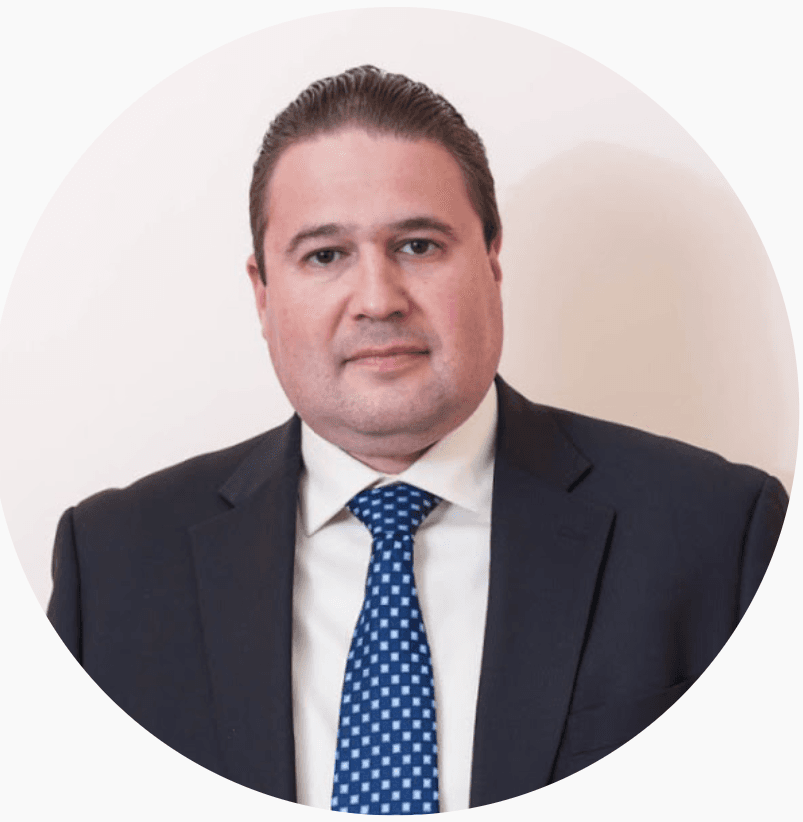
Fishkin Law Firm, New York
When the government places someone on a non-citizen list in error, that person has the right to challenge the designation — but acting quickly matters. Naturalized citizens should gather their N-550 certificate and any supporting documentation of their naturalization date immediately. If you receive a government inquiry about your citizenship status, you are not required to respond without legal counsel, and doing so without an attorney can create unnecessary risk. Consult an immigration lawyer before engaging with any agency on this issue.